


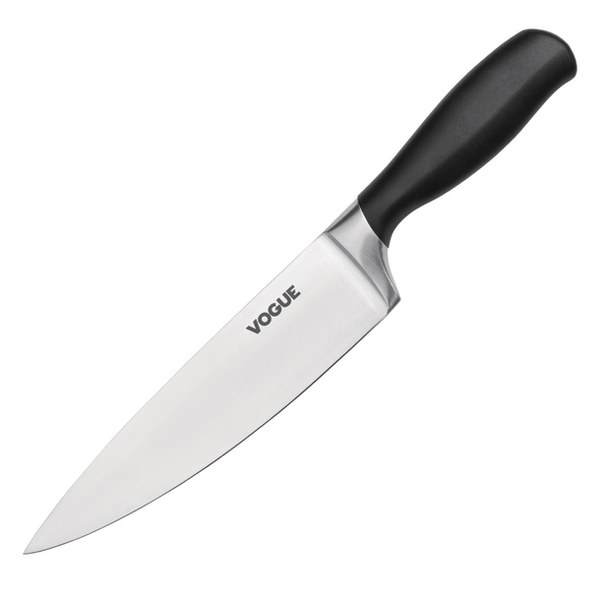
A good knife is the one tool almost every cook uses every day. Yet many people buy knives in a set, use two of them, and never think about why one feels better in the hand than another. If you are replacing a tired blade, kitting out a new kitchen or choosing a gift for a keen cook, it pays to understand the basics before you spend money.
This guide explains the main knife types, blade constructions and styles, then looks at how professional kitchen knives are organised at Nisbets, the UK catering equipment supplier. Product details come from archived 2025 copies of the Nisbets UK Professional Kitchen Knives page, and company details from an archived copy of the Nisbets homepage dated 22 May 2025. Ranges and prices change, so check the live site before buying.
Browse Professional Knives at Nisbets
In this guide
The Three Knives Most Cooks Actually Need
Professional chefs own many knives, but most home and small-kitchen cooking can be done with three:
- Chef knife: the all-rounder, usually 20 to 25 cm, used for chopping, slicing and dicing. If you only buy one good knife, make it this one.
- Santoku knife: a Japanese-style alternative with a flatter edge and a shorter blade, popular for thin, precise slicing of vegetables, fish and boneless meat.
- Paring knife: a small blade for peeling, trimming and detailed work in the hand.
The archived Nisbets knife page lists dedicated sections for each of these, including Chef Knives (115 products at the time of the archive), Santoku Knives (21) and Paring and Tomato Knives (69), as well as Knife Sets, Meat and Fish Knives, Cleavers and Choppers, Pastry and Palette Knives, Bread Knives and Cheese Knives.
Stamped vs Forged Blades
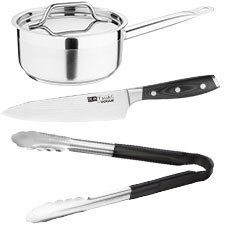
The construction filter on the archived Nisbets page splits knives into Stamped, Forged and Laser Cut. The difference matters for weight, balance and price.
- Stamped blades are cut from a sheet of steel. They are usually lighter, thinner and more affordable, and they are common in busy commercial kitchens where knives are used hard and replaced often.
- Forged blades are shaped from a single piece of heated steel. They tend to be heavier, often have a bolster between blade and handle, and feel more solid in the hand.
- Laser cut is a precise cutting method for stamped-style blades, listed as a separate filter.
Neither is simply better. A light stamped chef knife can be faster and less tiring for long prep sessions, while a forged knife suits cooks who like a heavier, more balanced blade.
Asian vs European Knife Styles
Nisbets also lets shoppers filter by knife style, Asian or European. European chef knives usually have a curved belly that suits a rocking cut and a slightly thicker edge. Asian styles, such as the santoku, often have a flatter profile and a finer edge for clean push cuts. Try to hold both types if you can, and choose the one that matches how you naturally cut.
Brands Listed at Nisbets
According to the archived page, the range includes knives from Global, Dick and Victorinox, which Nisbets describes as made to the very highest specification using a mixture of time-honoured techniques and state-of-the-art technology. The brand filter at the time also showed Hygiplas and Vogue, and Dick ranges such as Dick 1905 and Dick Premier Plus. Hygiplas is known for colour-coded handles, which many kitchens use to keep raw meat, fish and vegetables separate.
| Knife type | Best for | What to check |
|---|---|---|
| Chef knife | Everyday chopping, slicing and dicing | Blade length, weight, stamped or forged |
| Santoku | Thin, precise slicing of vegetables and fish | Flat edge profile, comfortable handle |
| Paring knife | Peeling, trimming, small detailed jobs | Short blade that feels secure in the hand |
| Bread knife | Crusty loaves and soft cakes | Serrated edge, enough length for large loaves |
| Cleaver | Heavy chopping through tougher items | Weight and a solid, safe grip |
Keeping Knives Sharp and Safe
A sharp knife is a safer knife, because it cuts cleanly instead of slipping. The archived Nisbets page says it offers a large number of whetstones, sharpening steels and electric sharpeners, plus knife blocks, knife protection, wallets and roll bags for storage and transport.
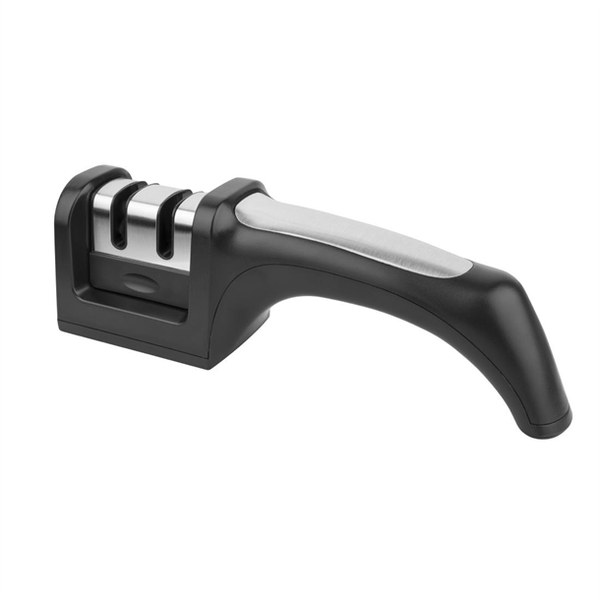
- Use a steel or honing rod regularly to straighten the edge between sharpenings.
- Sharpen on a whetstone or sharpener when honing no longer brings the edge back.
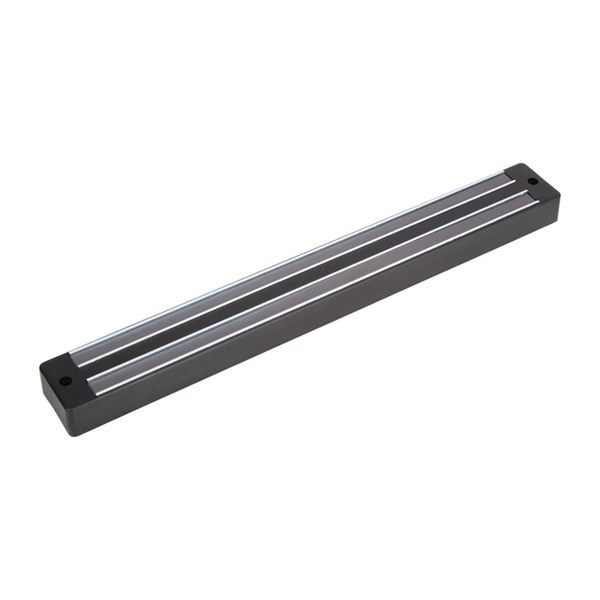
- Store knives on a magnetic rack, in a block or in guards so edges do not knock together in a drawer.
- Cut on a plastic or wooden board, never on glass, stone or metal surfaces.
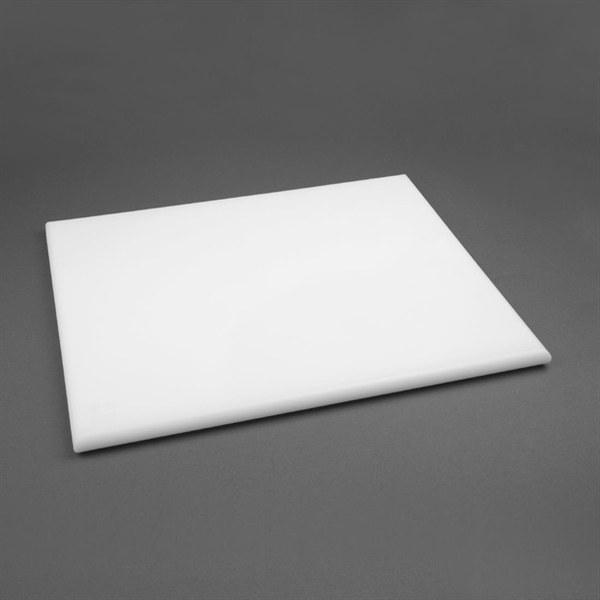
Chopping boards matter too. A good board protects the edge and gives a stable surface. Colour-coded boards are a simple way to reduce cross-contamination in any kitchen.
Small Tools That Complete the Kit
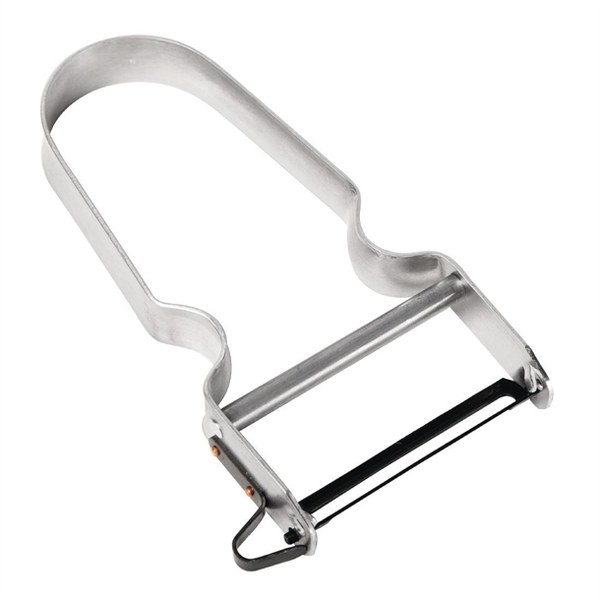
Knives sit inside the wider Kitchenware & Chef Knives category on the archived Nisbets homepage, so it is easy to pick up other prep tools in the same order. A sharp Y-shaped peeler, for example, saves a lot of time on potatoes and carrots and keeps the paring knife for finer work. You can explore these on the Nisbets kitchenware pages.
Buying Tips
Start with one quality chef knife and a paring knife rather than a large set, then add specialist blades only when you know you need them. The archived Nisbets homepage also mentions a Price Match Promise, a 30 Day Money Back Guarantee, Free Next Day Delivery on orders placed by 6pm (terms apply) and an embroidery and engraving service, which some buyers use to personalise a knife as a gift. Nisbets also publishes a guide on which kitchen knives to buy, worth reading if you are unsure.
Shop Chef Knives and Sharpeners
The best knife is the one that feels right in your hand and stays sharp with simple care. To compare current blades, sharpeners and storage, visit Nisbets online.
Disclaimer: This article contains affiliate links, and we may earn a commission if you buy through them at no extra cost to you. Product categories, brands and services are taken from archived 2025 copies of the Nisbets UK website and may have changed; please check the Nisbets website for current details.

Theo Louse
I am Theo Louse. My skills are dedicated to the field of technology information and try to make daily lives more enjoyable. With more than 12 years of experience with BM, we are particularly famous for 100% self-developed ideas. Over these years, we have worked to make everyday life more convenient for the fast-paced world we live in.