



Introduction
Heat styling, colouring, hard water and even the weather can leave hair dry, frizzy and prone to breakage. The good news is that most everyday damage can be improved with a consistent routine. You do not need a cupboard full of products; you need the right steps, done regularly.
Brands such as REHAB Your Hair have built their range around this idea, combining care products with hair supplements designed to support healthier hair from the inside and out. In this guide we explain what causes damage, how to build a routine that works and what to look for when choosing products.
1. What Damages Hair in the First Place?
Each strand of hair is protected by an outer layer called the cuticle. When the cuticle is lifted or worn away, hair loses moisture, looks dull and breaks more easily. Common causes include:
- Heat styling with hairdryers, straighteners and curling tongs, especially without heat protection.
- Chemical treatments such as bleaching, colouring and perming.
- Rough handling, including towel rubbing and brushing wet hair aggressively.
- Environmental factors like UV light, chlorine and hard water.
- Diet and stress, which can affect how hair grows over time.
2. Start With Gentle Cleansing
Washing is the foundation of any routine. Many people wash too often or use harsh shampoos that strip natural oils. Try to wash only as often as your scalp needs, focus shampoo on the roots and let the lather rinse through the lengths. Lukewarm water is kinder to hair than very hot water.
Between washes, a non-aerosol dry shampoo can refresh the roots and help you stretch the time between wash days, reducing wear on fragile ends.
3. Never Skip Conditioner
Conditioner smooths the cuticle, adds moisture and makes detangling easier, which means less breakage. Apply it mainly to the mid-lengths and ends, leave it on for a few minutes and comb through with a wide-tooth comb before rinsing.
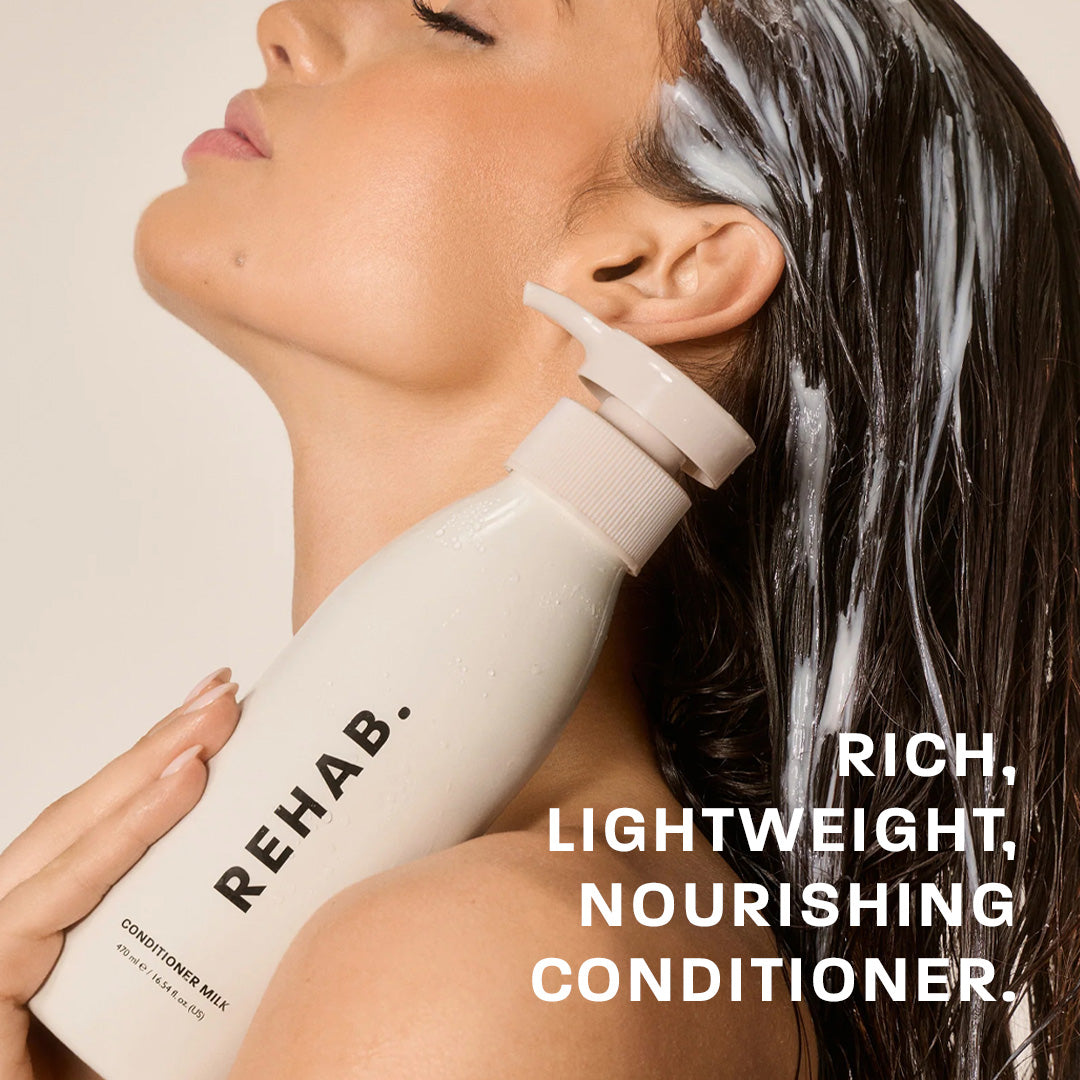
If your hair is fine, choose a lightweight formula so it does not feel weighed down. If it is thick or curly, a richer conditioner or a weekly mask may suit you better.
4. Add a Weekly Treatment
Damaged hair benefits from a little extra care once or twice a week. A deep conditioning mask or a pre-wash oil treatment can help restore softness and shine. Hair oils are particularly popular because they are simple to use: apply a few drops to the lengths, leave for a while and wash out, or smooth a small amount onto dry ends to tame frizz.
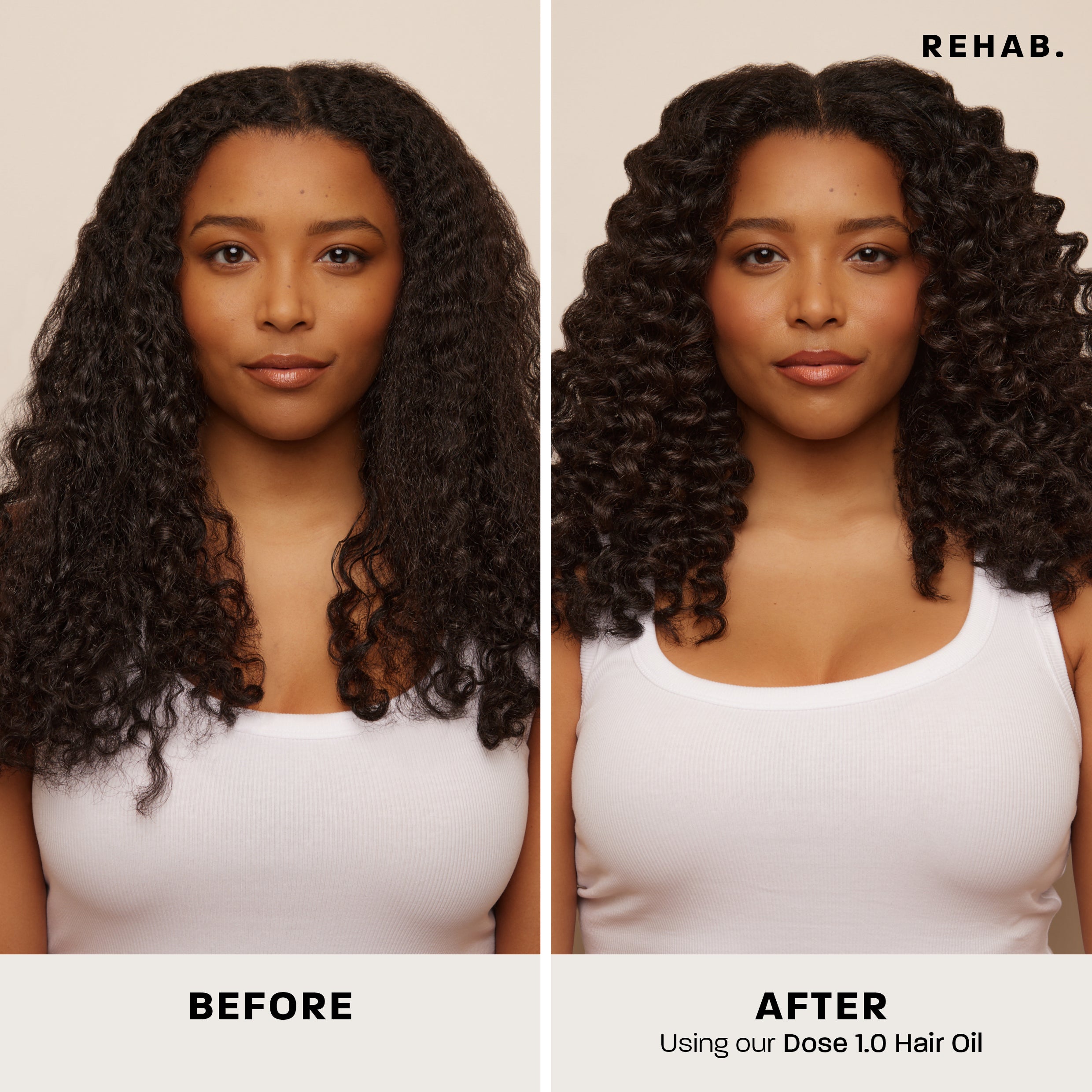
Consistency matters more than any single product. Results build up over several weeks as new growth comes through and the lengths are better protected.
5. Support Hair From the Inside
Healthy hair starts at the follicle. A balanced diet with enough protein, iron, zinc and vitamins gives your body the building blocks it needs. Some people choose to add a hair supplement to their routine, particularly during periods of stress or after noticing increased shedding.
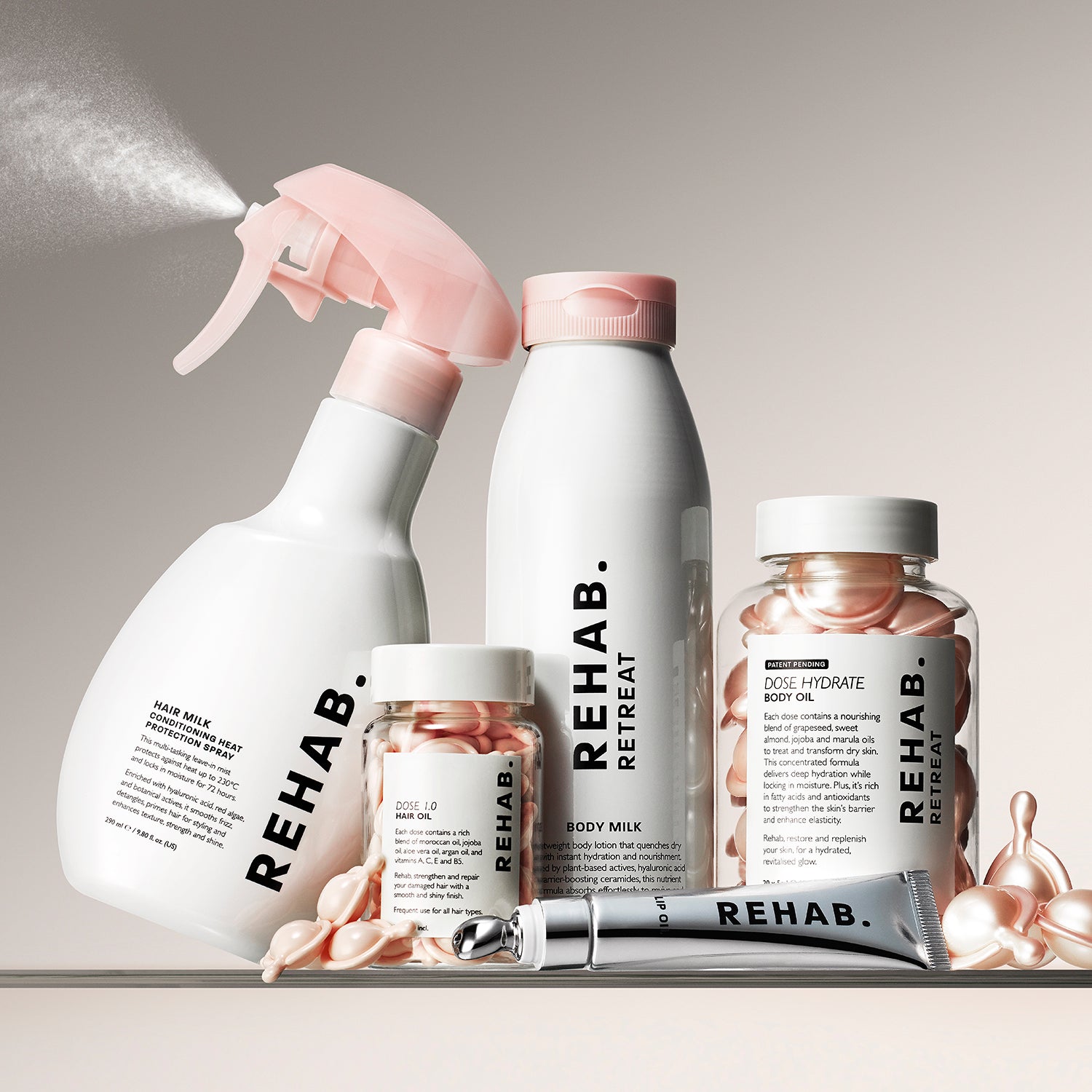
The REHAB supplement range is designed to complement topical care. As with any supplement, read the label carefully, follow the recommended dose and speak to a healthcare professional if you are pregnant, breastfeeding or taking medication. Supplements work gradually, so give them a few months before judging the results.
6. Protect Your Hair Day to Day
Prevention is just as important as repair. A few small changes can make a big difference:
- Use a heat protectant before blow-drying or straightening, and lower the temperature where possible.
- Blot hair with a soft towel or cotton T-shirt rather than rubbing it.
- Sleep on a silk or satin pillowcase to reduce friction.
- Choose soft, snag-free hair ties and avoid very tight styles.
- Book regular trims to remove split ends before they travel up the strand.
7. A Simple Weekly Routine
Putting it all together, a realistic routine might look like this: wash two or three times a week with a gentle shampoo, condition every time, use an oil or mask once a week, protect your hair before heat styling and support it with a balanced diet. Keep the routine simple enough that you can stick to it, and adjust it as your hair responds.
8. Common Mistakes to Avoid
Even with the best intentions, a few habits can undo your progress. Avoid switching products every week, because hair needs time to respond. Do not pile on heavy oils and masks every day, as too much product can leave hair limp and the scalp congested. Resist the urge to brush wet hair roughly, and remember that the scalp needs care too: it is where healthy hair begins. Finally, be realistic. Hair that has been bleached many times may need several trims as well as good care before it fully recovers.
Keeping a simple note of what you use and how your hair feels can help you spot what really works for you over a month or two.
Conclusion
Repairing damaged hair is less about miracle products and more about consistent, gentle care. Clean without stripping, condition well, treat weekly, protect against heat and friction, and look after your health from the inside. Over time, these habits add up to stronger, shinier hair. To explore oils, conditioners, dry shampoo and hair supplements designed to work together, take a look at REHAB Your Hair.
FAQs
How long does it take to repair damaged hair?
You may notice softer, shinier hair within a few weeks of a better routine, but new healthy growth takes months to come through.
Can hair oil repair split ends?
Oil can smooth and disguise split ends, but the only way to remove them completely is a trim.
Do hair supplements really work?
Supplements can help if your diet lacks certain nutrients. Results vary and take time, so follow the label and seek professional advice if you are unsure.
How often should I wash damaged hair?
Most people find two or three times a week is enough. Washing less often helps preserve natural oils that protect the hair.
Is it better to use oil before or after washing?
Both work. A pre-wash oil treatment nourishes the lengths, while a few drops on dry ends after styling helps control frizz and adds shine.

Theo Louse
I am Theo Louse. My skills are dedicated to the field of technology information and try to make daily lives more enjoyable. With more than 12 years of experience with BM, we are particularly famous for 100% self-developed ideas. Over these years, we have worked to make everyday life more convenient for the fast-paced world we live in.