


Introduction
Few garden projects bring as much life to an outdoor space as a pond. Within weeks of filling, you can expect visits from birds, insects and frogs, and the gentle sound of moving water makes any garden feel calmer. A pond does not have to be large or complicated either. With the right planning and equipment, it is a realistic weekend project for most UK gardeners.
Specialist retailers such as Pondkeeper supply everything from liners and underlay to pumps, filters and fish food. In this guide we walk through the key steps of building a garden pond, the kit you will need and the mistakes to avoid so your pond stays healthy for years.
1. Choose the Right Spot
Location is the single most important decision. A pond needs a balance of sunlight and shade. Too much direct sun encourages algae and green water, while too much shade can stunt plants. Aim for a spot that receives around half a day of sunshine.
- Avoid overhanging trees. Falling leaves rot in the water and roots can damage the liner.
- Think about access. You will need electricity for a pump and filter, and room to reach the edges for maintenance.
- Check the ground. Avoid areas with buried cables or pipes, and be aware that a very high water table can push a liner up.
- Consider the view. Place the pond where you can enjoy it from the house or a seating area.
2. Decide on Size and Shape
As a general rule, bigger ponds are easier to keep in balance because the water temperature and quality are more stable. A depth of at least 45 to 60cm in part of the pond helps protect wildlife and fish in hot summers and cold winters. If you plan to keep koi, you will need a much deeper and larger pond.
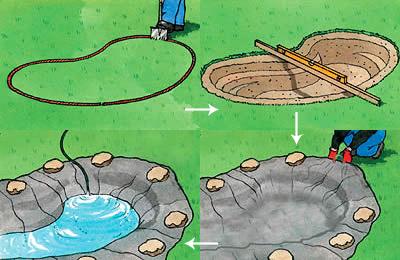
Mark out the outline with a hosepipe or rope and live with it for a day or two. Gentle curves usually look more natural than sharp corners, and they are easier to line neatly.
3. Pick Your Pond Liner
The liner is what keeps the water in, so it is worth choosing carefully. The main options are:
- EPDM rubber liners. Flexible, durable and UV-resistant, they are a popular all-round choice for most garden ponds.
- Butyl liners. A premium flexible option with an excellent reputation for longevity.
- PVC liners. A lower-cost option suited to smaller or temporary ponds.
- Preformed ponds. Rigid shells that are quick to install but limit you to a fixed shape and size.
To work out how much liner you need, measure the maximum length and width and add twice the maximum depth to each, plus a little extra for the edges. Pondkeeper also offers an online pond calculator, which takes the guesswork out of ordering. Always lay a protective underlay beneath the liner to guard against stones and roots.
4. Dig, Shelve and Line
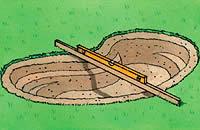
Dig the hole in stages, creating shelves around the edge for marginal plants about 20 to 25cm below the surface. These shelves also give wildlife an easy way in and out. Remove sharp stones, check the edges are level with a spirit level and a straight plank, then lay the underlay.
Drape the liner loosely over the hole, smoothing out large folds. Begin filling with water slowly; the weight of the water will pull the liner into shape. Adjust the folds as it fills, then trim the excess, leaving enough to tuck under paving or edging stones.
5. Pumps and Filters for Clear Water
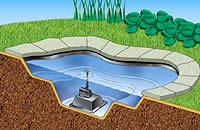
Moving water stays clearer and healthier. A pump circulates the water and can power a fountain or waterfall, while a filter removes debris and breaks down waste. For ponds with fish, a filter is essential.
- Filter and pump sets are an easy starting point, as the components are matched for you.
- Pressurised filters can be hidden beside the pond and buried partly in the ground.
- UV clarifiers help tackle green water caused by free-floating algae.
- Solar pumps are a good option for small wildlife ponds where mains power is difficult.
Choose equipment rated for the volume of your pond, ideally with a little extra capacity. The ranges at Pondkeeper are organised by pond size, which makes comparing options straightforward.
6. Plants, Wildlife and Fish
Plants are the natural partners of any filter. Oxygenating plants help keep the water healthy, water lilies shade the surface and reduce algae, and marginal plants soften the edges. Aim to cover roughly a third to a half of the surface with foliage.
If you want fish, be patient. Let the pond settle and the filter mature for a few weeks before adding them, and introduce only a few at a time. For wildlife ponds, many gardeners skip fish altogether, as frogs and newts thrive better without them.
7. Seasonal Pond Care
A little regular maintenance goes a long way. In autumn, net the pond to keep leaves out and trim back dying foliage. In winter, keep a small area free of ice so gases can escape. In spring, clean the filter, check the pump and divide overgrown plants. In summer, top up with rainwater where possible and keep an eye on algae during hot spells.
Conclusion
Building a garden pond is one of the most rewarding projects you can take on outdoors. Choose a sunny but sheltered spot, invest in a quality liner and underlay, and match your pump and filter to the size of the pond. With healthy planting and a little seasonal care, you will enjoy clear water and a garden full of life. For liners, filters, pumps and accessories in one place, explore the range at Pondkeeper.
FAQs
How deep should a garden pond be?
For most garden ponds, a deepest section of at least 45 to 60cm is recommended. Koi ponds need to be considerably deeper.
Do I need a filter for a wildlife pond?
Not always. A well-planted wildlife pond without fish can stay balanced naturally, although a small solar pump can help keep the water moving.
Which pond liner lasts the longest?
Quality EPDM rubber and butyl liners are known for their durability and resistance to UV light, making them popular long-term choices.
When is the best time to build a pond?
Spring and early autumn are ideal, as the ground is workable and plants can establish before extreme weather.
How do I stop my pond turning green?
Balance sunlight with surface plants, avoid overfeeding fish and consider a UV clarifier to control free-floating algae.

Theo Louse
I am Theo Louse. My skills are dedicated to the field of technology information and try to make daily lives more enjoyable. With more than 12 years of experience with BM, we are particularly famous for 100% self-developed ideas. Over these years, we have worked to make everyday life more convenient for the fast-paced world we live in.