


A Small Pond Can Transform Your Garden
You don’t need an enormous garden to introduce water into your outdoor space.
Even a relatively small pond can add another dimension to the garden while creating opportunities for insects, birds, amphibians and other wildlife to visit.
A wildlife pond can also become a beautiful focal point surrounded by plants, stones and natural landscaping.
The key is creating something that works with nature rather than trying to make every part of the pond perfectly controlled.
Start by Choosing the Right Location
Before digging anything, spend some time choosing where your pond should go.
Look for an area that feels naturally connected to the rest of your garden.
Avoid positioning the pond directly beneath large trees where possible. Falling leaves can accumulate in the water, while extensive roots may make excavation more difficult.
At the same time, you don’t necessarily want an exposed location with intense sunlight throughout the entire day.
A position with a balance of sunlight and some shade can work well.
Decide How Large Your Pond Should Be
Wildlife ponds don’t need to be huge.
 The available space should determine the size rather than trying to force an oversized feature into a small garden.
You could create:
- A compact wildlife pond
- A medium sized natural pond
- A preformed pond
- A flexible liner pond
- A small container style water feature
A larger pond provides more opportunities to create different depths and planting areas, but even a modest water source can add habitat to a garden.
Choose Between Flexible and Preformed Ponds
There are two common approaches when creating a garden pond.
Flexible Pond Liner
Flexible liners allow you to design your own shape and depth.
This is useful if you want curved edges, shallow wildlife areas and several planting shelves.
Preformed Pond
Preformed ponds arrive as rigid shells with their shape already established.
They can be particularly convenient for smaller projects where you want a straightforward pond design.
Your choice depends on the available space, desired shape and how much flexibility you want during construction.
Plan Different Depths
Avoid designing the entire pond at exactly the same depth.
Different levels create more varied conditions for plants and wildlife.
You might include:
Shallow edge: Useful for marginal plants and easier wildlife access.
Planting shelf: Provides an area for aquatic planting baskets.
Deeper section: Adds variety to the aquatic environment.
Gentle changes in depth can also make the pond look more natural.
Create an Easy Wildlife Exit
One of the most important features of a wildlife pond is an easy route in and out.
A completely vertical pond edge can make escape difficult for some animals.
Create a shallow sloping section or another suitable exit point.
Stones and natural materials around the edge can also provide useful access points.
The pond should be designed so visiting wildlife isn’t trapped.
Protect Your Pond Liner
If you’re using a flexible liner, prepare the ground carefully.
Remove sharp stones, roots and debris before laying it.
Pond underlay provides an additional protective layer between the soil and liner.
This can help protect the liner from stones, roots and irregular ground beneath the pond.
Spending a little more time preparing the base can help protect the pond for years to come.
Calculate the Correct Liner Size
Don’t simply estimate your liner dimensions.
Measure:
- Maximum pond length
- Maximum pond width
- Maximum depth
Remember that the liner needs to travel down the sides, across the bottom and back up again.
You’ll also need sufficient material around the edge for securing and finishing the pond.
Using a pond liner calculator can make determining the appropriate dimensions much easier.
Don’t Cut the Liner Immediately
When installing a flexible liner, leave additional material around the outside while the pond fills.
Water pressure will gradually push the liner into the contours of the excavation.
Allow everything to settle before trimming excessive material.
Cutting too early can leave you without enough liner around part of the edge.
Make the Edges Look Natural
The visible edge can determine whether a pond looks like a natural part of the garden or simply a hole filled with water.
Consider using:
- Stones
- Gravel
- Plants
- Logs
- Ground cover planting
Try to blend the pond into the surrounding garden rather than creating an abrupt border.
Natural materials can also provide additional spaces for small creatures to shelter.
Plants Are Essential to the Design
Plants do much more than make a pond attractive.
Different aquatic plants occupy different areas of the pond and can help create a more varied habitat.
You can broadly think about planting in several zones.
Marginal Plants
These grow around shallow pond edges.
Deep Water Plants
These occupy deeper sections of the pond.
Oxygenating Plants
These grow beneath the water and form part of the pond environment.
Floating or Surface Plants
These provide surface coverage and additional visual interest.
Combining different plant types creates a more interesting pond than relying on one variety alone.
Use Planting Baskets
Aquatic planting baskets make it easier to position and manage pond plants.
They can be placed on shelves at appropriate depths depending on the plant.
Always check the recommended planting depth before positioning a new aquatic plant.
A plant intended for shallow water may not thrive if it’s placed in the deepest section of the pond.
Avoid Overfilling the Pond With Plants
Plants are important, but you don’t need to cover every centimetre of water.
Allow a combination of open water and planted areas.
As plants mature, they’ll naturally occupy more space.
Starting with a little room between them can prevent the pond from becoming overcrowded immediately.
Let Nature Discover the Pond
One of the most enjoyable parts of creating a wildlife pond is watching what arrives naturally.
Depending on your area, you might eventually notice:
- Birds
- Bees
- Dragonflies
- Damselflies
- Frogs
- Newts
- Beetles
- Other insects
Avoid expecting everything to appear immediately.
A pond changes over time as plants establish and wildlife discovers the new water source.
Add Shelter Around the Pond
The habitat shouldn’t end at the water’s edge.
The surrounding garden matters too.
Logs, stones and dense planting can create sheltered areas close to the pond.
You could allow one part of the surrounding vegetation to remain slightly less manicured.
A wildlife friendly garden doesn’t need every corner to look perfectly trimmed.
Consider a Small Solar Water Feature
A wildlife pond doesn’t necessarily need complicated equipment.
If you want some water movement, a small solar powered pump or fountain can be considered where appropriate.
This can add visual movement without requiring a permanent mains electricity connection.
Keep the overall design gentle if encouraging wildlife is your main priority.
Think Carefully Before Adding Fish
A dedicated wildlife pond and a fish pond aren’t necessarily the same thing.
Fish can interact with insects, larvae and other organisms within the pond ecosystem.
If your primary goal is attracting wildlife, research carefully before adding fish.
You may decide that a separate wildlife pond without fish better suits your objective.
Avoid Unnecessary Chemicals
Don’t automatically reach for a treatment every time the pond looks different.
A wildlife pond is a living environment and will naturally change.
New ponds in particular need time to establish.
If a genuine water quality problem develops, identify the cause before adding any treatment and make sure anything used is appropriate for your particular pond and its inhabitants.
Keep Falling Leaves Under Control
Autumn leaves can accumulate rapidly.
Remove excessive fallen leaves before they sink and begin breaking down.
A pond net can be useful during periods of heavy leaf fall, particularly if your pond is near trees.
You don’t need to remove every natural object from a wildlife pond, but preventing excessive organic material from accumulating can make maintenance easier.
Be Careful During Pond Maintenance
Before removing plants, leaves or other material, check carefully for wildlife.
Small creatures can hide among vegetation surprisingly well.
Work gradually rather than aggressively clearing everything at once.
A wildlife pond should retain some natural cover throughout the year.
Don’t Make It Too Tidy
Traditional gardening often focuses on making everything look perfectly clean.
Wildlife gardening is slightly different.
A few logs, stones, plants and naturally growing areas can provide valuable shelter.
The aim isn’t neglect.
It’s creating a balanced space where natural features are allowed to exist alongside the designed garden.
Create a Wildlife Corner
If space allows, turn the pond into the centre of a broader wildlife area.
Around it you could include:
- Flowering plants
- Native plants
- Logs
- Stones
- Dense ground cover
- Bird friendly planting
This connects the water with the rest of the garden and creates a more complete habitat.
Pondkeeper for Wildlife Pond Projects
Pondkeeper specialises in pond equipment and supplies for garden water projects.
Its range includes flexible pond liners such as LDPE, PVC and EPDM options, along with liner underlay and rigid preformed ponds.
For planting, Pondkeeper also stocks aquatic plants, planting baskets and other equipment for different pond zones.
Its preformed range even includes dedicated wildlife pond designs, providing another option for gardeners who prefer a ready made shape rather than constructing a pond with flexible liner.
A Simple Wildlife Pond Checklist
Before starting your project, consider:
- Where will the pond go?
- How much space is available?
- Do I want flexible liner or a preformed pond?
- Can I create several depths?
- Is there a shallow wildlife access point?
- Do I need pond underlay?
- Which aquatic plants suit each depth?
- How will I finish the pond edge?
- Is there shelter around the pond?
- Can wildlife safely enter and leave?
Planning these details before digging can make the project considerably easier.
Final Thoughts
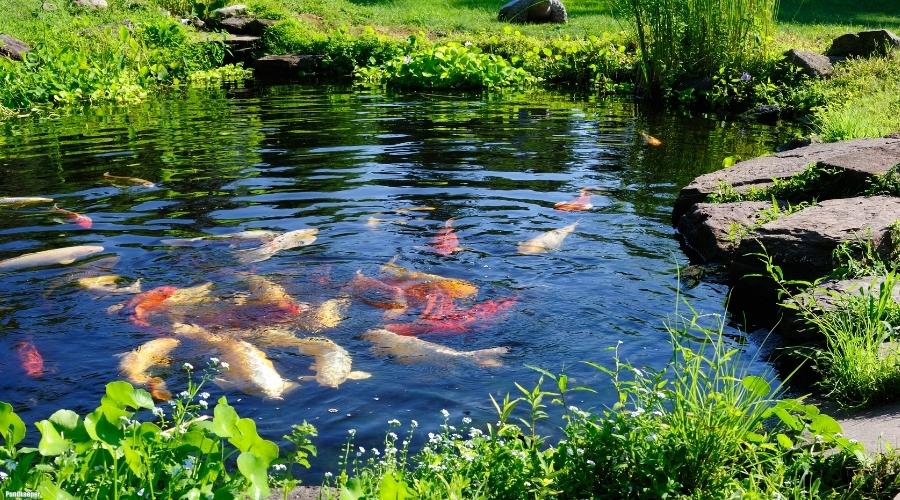
Creating a wildlife friendly pond is one of the most interesting ways to introduce water into a garden.
It doesn’t need to be enormous or complicated.
A suitable liner, varied depths, shallow access, aquatic plants and natural edges can provide the foundation for an attractive pond that gradually becomes part of the surrounding garden ecosystem.
Pondkeeper offers many of the components needed to build this type of pond, from flexible and preformed liners to underlay, aquatic plants and planting equipment.
Once the pond is established, give it time.
Plants will grow, the appearance will change and wildlife may gradually begin discovering your new garden water source.
Sometimes the most rewarding part of creating a pond is simply watching what arrives.

Theo Louse
I am Theo Louse. My skills are dedicated to the field of technology information and try to make daily lives more enjoyable. With more than 12 years of experience with BM, we are particularly famous for 100% self-developed ideas. Over these years, we have worked to make everyday life more convenient for the fast-paced world we live in.