


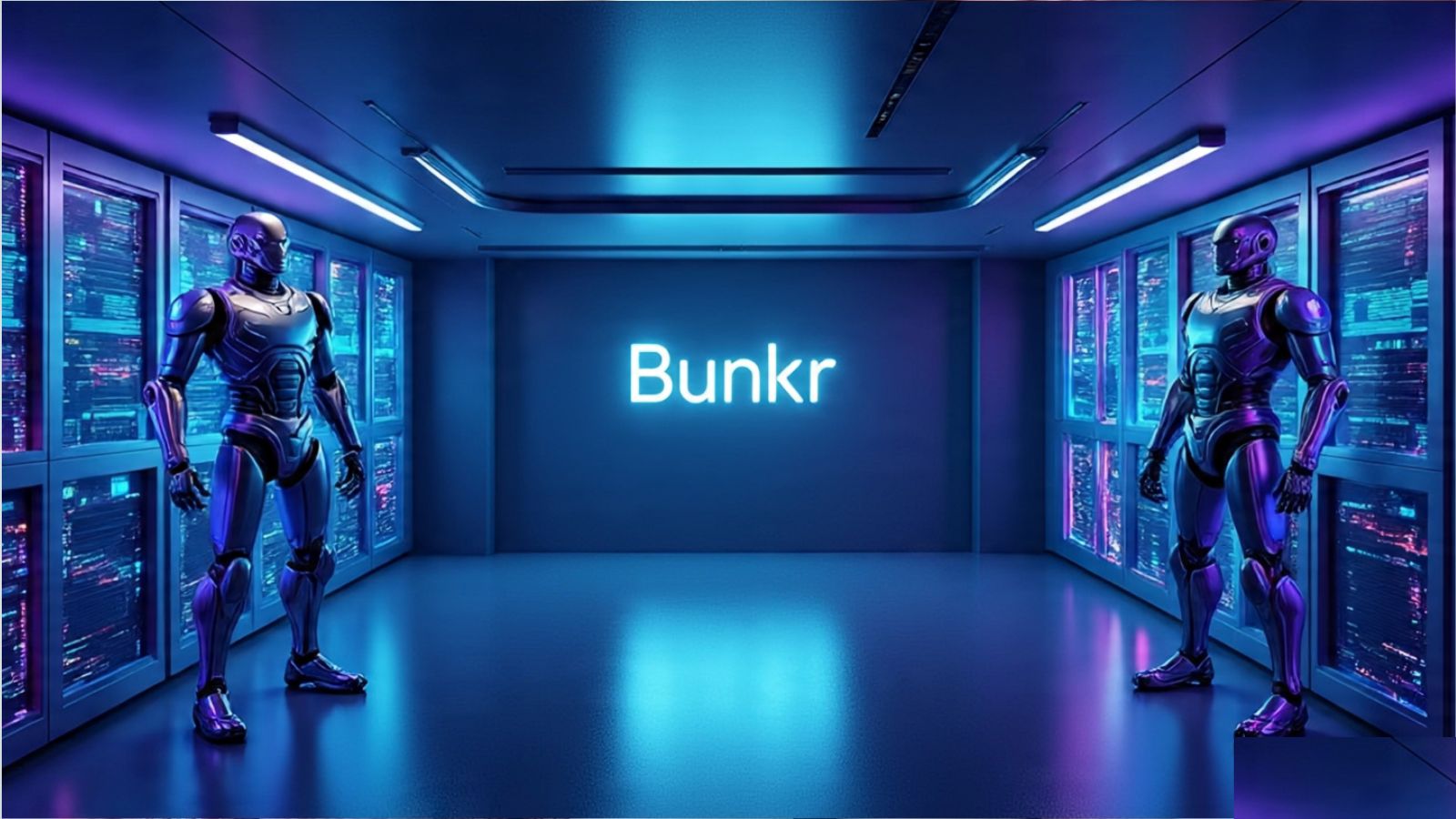
In an age of data surveillance, cyber threats, and growing concerns over digital privacy, the need for secure, autonomous storage solutions has never been greater. Emerging from this demand is a conceptual system known as Bunkr fi f nheqaf2r5zplr—a term that appears to represent a next-generation encrypted digital storage platform. Though still theoretical in public discourse, the idea behind it points toward a decentralized model designed for users who require maximum security, anonymity, and data sovereignty.
Let’s explore what “Bunkr fi f nheqaf2r5zplr” could offer, how it may function, and who it’s ideally suited for.
What Is Bunkr fi f nheqaf2r5zplr?
At its core, Bunkr fi f nheqaf2r5zplr appears to be a digital fortress—a secure storage mechanism that emphasizes:
- End-to-end encryption
- Decentralized file hosting
- Anonymity of users and content
- Zero-knowledge architecture
- Resistance to censorship and intrusion
The alphanumeric string nheqaf2r5zplr may signify a unique cryptographic identifier or access token—emphasizing user-specific data segmentation and access keys.
Key Features of a System Like Bunkr fi f nheqaf2r5zplr
Although hypothetical in name, the system described aligns closely with technologies already under development or in use within the blockchain, peer-to-peer (P2P), and cybersecurity communities. Below are its core conceptual components:
1. Decentralized Architecture
Unlike traditional cloud storage providers like Google Drive or Dropbox, which host files on centralized servers, Bunkr fi f nheqaf2r5zplr would distribute encrypted data across a P2P network or blockchain-based protocol. This prevents single points of failure or government/corporate overreach.
2. Zero-Knowledge Encryption
In a zero-knowledge system, the storage provider knows nothing about the files you store—not their size, content, or type. Only the user holds the decryption keys, meaning even if the server is compromised, the data remains unintelligible to attackers.
3. Ephemeral Access & Tokenization
The cryptic suffix (like nheqaf2r5zplr) might represent a unique, expirable token. This could be used for temporary access to specific files or folders, ensuring that even shared content cannot be viewed beyond intended timeframes.
4. User Anonymity
Bunkr fi f nheqaf2r5zplr likely supports anonymous registration—no email, phone number, or IP logging. In combination with Tor or I2P routing, users could operate entirely off the surveillance grid.
5. Immutable File Logs
Thanks to decentralized ledgers or Merkle trees, the system may provide immutable file histories—an invaluable feature for whistleblowers, journalists, and legal teams needing proof of document integrity.
How It Might Work: A Step-by-Step Example?
- User Signs Up Anonymously
They are issued a unique, encrypted ID such as nheqaf2r5zplr. - Files Are Encrypted Client-Side
Before leaving the user’s device, files are encrypted using 256-bit AES or stronger algorithms. - Files Are Split and Distributed
Encrypted data chunks are stored across multiple peer nodes or blockchain storage solutions like IPFS or Storj. - Only the User Holds the Key
Access is only possible via the user’s private key; even the platform can’t decrypt the files. - Sharing Is Tokenized
If needed, the user generates a time-limited, access-scoped token to share files securely.
Ideal Use Cases
● Whistleblowers
For individuals leaking sensitive information, this type of system protects identity and ensures files remain tamper-proof and inaccessible without a key.
● Investigative Journalists
Journalists working in hostile environments often need to protect sensitive sources, interviews, and case notes from interception.
● Human Rights Organizations
NGOs documenting war crimes or abuse need secure and uncensorable methods to store evidence and testimonies.
● Cryptocurrency Enthusiasts
Storing private keys, seed phrases, or smart contracts in a decentralized vault aligns with blockchain principles.
● Legal and Medical Professionals
Handling privileged or sensitive documents that must be protected from breaches and regulatory violations.
Why It Matters in 2025?
We’re living in a time where:
- Government surveillance is increasingly normalized
- Centralized services are vulnerable to breaches
- Privacy laws differ drastically across jurisdictions
- Trust in big tech is eroding
A concept like Bunkr fi f nheqaf2r5zplr answers these modern problems with next-gen infrastructure, empowering users with digital autonomy.
Challenges to Consider
No system is perfect, and this concept isn’t immune to concerns:
- User Key Loss: Without backup recovery, losing your encryption key would mean permanent loss of access.
- Performance Lag: Dispersed data storage can lead to slower upload/download speeds compared to centralized services.
- Misuse Potential: Anonymous, encrypted platforms could be exploited for illicit purposes.
- Adoption Hurdles: Mainstream users may find decentralized tools difficult to navigate.
Comparative Overview
| Feature | Bunkr Concept | Google Drive | Dropbox |
| Storage Type | Decentralized | Centralized | Centralized |
| Encryption Level | End-to-End (Client Side) | Transit & Rest (Server-side) | Transit & Rest |
| Anonymity | Full (optional) | None | Limited |
| Data Control | 100% User-Owned | Shared with Provider | Shared with Provider |
| Availability | Conceptual/Private Beta | Widely Available | Widely Available |
Conclusion
Bunkr fi f nheqaf2r5zplr might sound like a cryptic line of code today, but its conceptual underpinnings speak volumes about where the digital world is heading. As demand for decentralization, encryption, and privacy-first tools grows, solutions like this could become mainstream.
Whether for protection, empowerment, or independence, this kind of storage technology could soon be the digital equivalent of a vault buried deep underground—only now, it’s distributed, anonymous, and under your sole control.
FAQs
Q: Is Bunkr fi f nheqaf2r5zplr a real product or just a concept?
A: As of now, it appears to be a conceptual system or possibly an internal project not yet public.
Q: Can I use a similar system today?
A: Yes, alternatives like Proton Drive, Skiff Drive, IPFS, and NextCloud with E2E encryption offer similar capabilities.
Q: What happens if I lose my encryption key?
A: In systems like this, your data would likely be unrecoverable. Key management is critical.
Q: Is it legal to use such platforms?
A: Yes, using encrypted storage is legal in most countries, though it could be regulated depending on your jurisdiction.
Theo Louse
I am Theo Louse. My skills are dedicated to the field of technology information and try to make daily lives more enjoyable. With more than 12 years of experience with BM, we are particularly famous for 100% self-developed ideas. Over these years, we have worked to make everyday life more convenient for the fast-paced world we live in.