



Healthcare has changed significantly over the last few years, and digital medical platforms are becoming a bigger part of how people access healthcare services. One name that has gained attention in Germany’s digital healthcare space is DrAnsay, a telemedicine platform focused on connecting patients with licensed medical professionals through online consultations.
As telemedicine continues growing, more people are becoming comfortable with digital healthcare solutions for non emergency situations, medical guidance, and remote consultations. According to industry reports, digital healthcare usage has increased across Europe as patients increasingly prioritize convenience and faster access to medical support.
This shift reflects a broader transformation happening across healthcare systems worldwide.
What Is Telemedicine?
Telemedicine refers to healthcare services delivered remotely through digital platforms rather than traditional in person visits. Depending on regulations and medical needs, patients may be able to communicate with licensed healthcare professionals online for consultations, advice, referrals, or prescriptions where legally appropriate.
Modern telemedicine platforms often include:
- Online medical consultations
- Digital appointment booking
- Electronic prescriptions (where allowed)
- Secure communication systems
- Health documentation access
- Remote healthcare support
The goal is usually to improve accessibility and reduce barriers for patients seeking medical assistance.
Why Digital Healthcare Keeps Growing
One of the biggest reasons telemedicine continues expanding is convenience. Many people prefer online healthcare options because they can save time, reduce travel, and fit consultations around work or personal schedules.
Patients often appreciate:
- Faster appointment access
- Less travel time
- Digital communication
- Convenient scheduling
- More healthcare flexibility
- Access from home
This is especially useful for people living in rural areas or those with busy routines.
Healthcare providers have also increasingly adopted digital systems as technology becomes more advanced and secure.
Technology Is Reshaping Healthcare
Digital healthcare platforms are part of a larger movement toward healthcare modernization. Mobile apps, electronic medical records, online booking systems, and remote consultations are becoming more common in many countries.
Experts suggest telemedicine may continue growing because patients increasingly expect healthcare experiences to feel more accessible and digital friendly.
Technology now supports:
- Video consultations
- Digital health records
- Online prescriptions where permitted
- Remote patient communication
- Mobile healthcare access
- Appointment management
This reflects how healthcare systems are adapting to changing expectations.
Important Things to Remember
Although digital healthcare can be convenient, telemedicine is not a replacement for emergency medical care or every type of in person treatment.
Healthcare experts often recommend:
- Using licensed and regulated services
- Verifying medical provider credentials
- Seeking emergency care when necessary
- Following professional medical advice
- Understanding local healthcare laws and requirements
Different countries also have different regulations regarding online healthcare services and prescription access.
Final Thoughts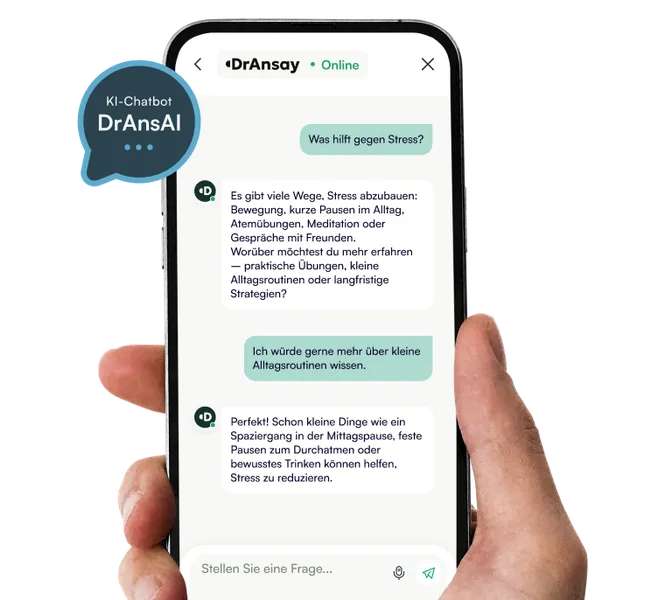
DrAnsay reflects the broader growth of telemedicine and digital healthcare solutions. As more patients seek convenience and flexible access to healthcare services, online consultation platforms continue becoming a larger part of modern healthcare systems.
Whether for scheduling, medical guidance, or remote communication, digital healthcare is changing how many people interact with medical professionals and manage everyday health needs.

Theo Louse
I am Theo Louse. My skills are dedicated to the field of technology information and try to make daily lives more enjoyable. With more than 12 years of experience with BM, we are particularly famous for 100% self-developed ideas. Over these years, we have worked to make everyday life more convenient for the fast-paced world we live in.