


Introduction
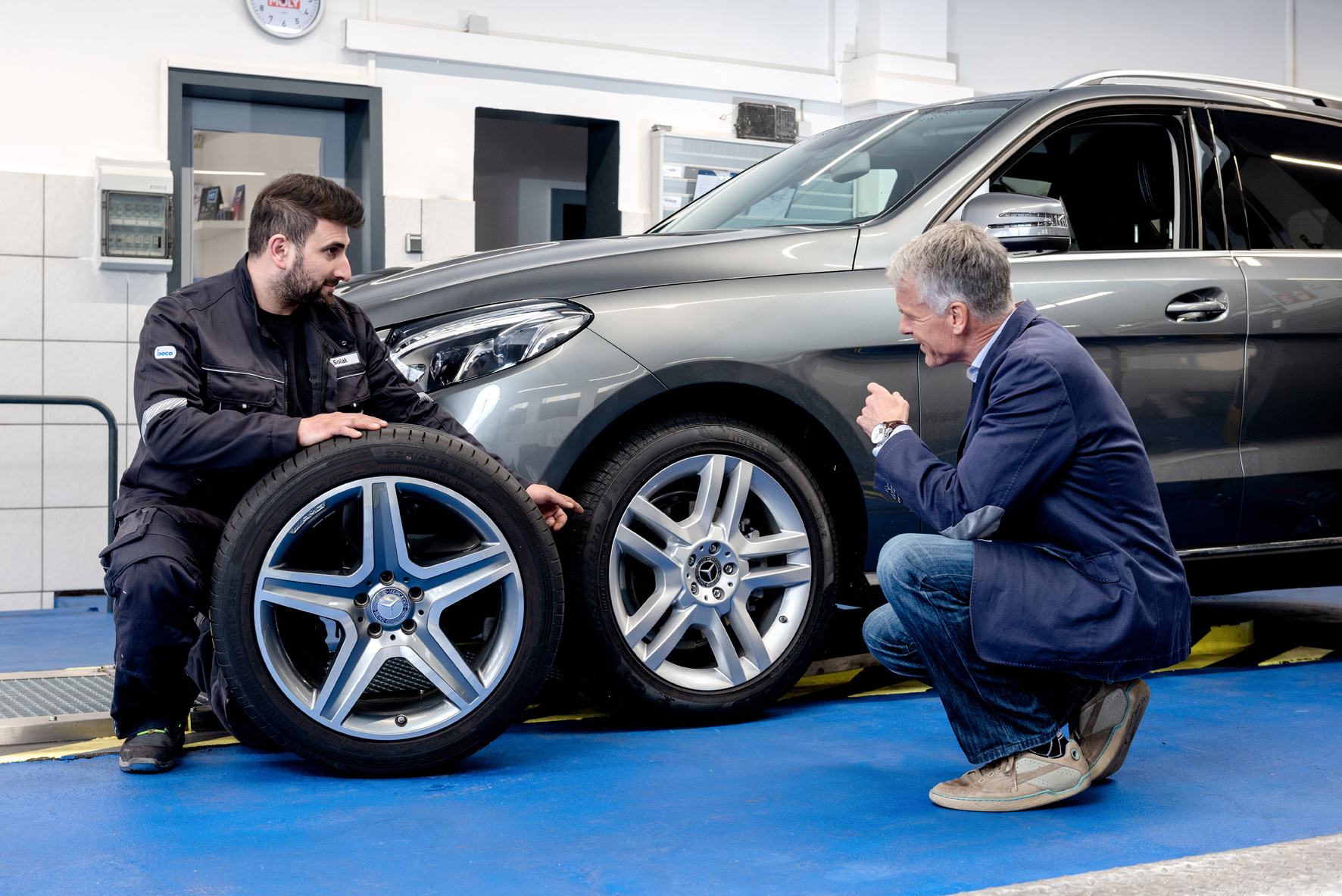
As the days get shorter and temperatures drop, Austrian drivers start thinking about one thing: winter tyres. Snow on the Alpine passes, black ice on shaded roads and cold, wet tarmac in the cities all demand more grip than a summer tyre can provide. Getting the right set fitted in good time is one of the simplest ways to stay safe and legal through the colder months.
Buying tyres no longer means a long afternoon at the garage comparing a handful of options. Online retailers such as ReifenDirekt offer thousands of models from premium and budget brands, with delivery to your home or straight to a partner fitting centre. In this guide we cover the rules, what to look for and how to make the process as painless as possible.
1. Know the Winter Tyre Rules in Austria
Austria has a situational winter tyre requirement. Between 1 November and 15 April, cars must be fitted with winter tyres whenever there are wintry road conditions, such as snow, slush or ice. Alternatively, drivers may use snow chains on summer tyres, but only when the road is fully covered with snow or ice. In practice, most motorists switch to winter tyres for the whole season.
- Minimum tread depth: winter tyres must have at least 4 mm of tread on radial tyres to count as winter tyres.
- Marking: look for the M+S symbol and, ideally, the three-peak mountain snowflake symbol.
- Penalties: driving without appropriate tyres in wintry conditions can lead to fines, and insurers may reduce payouts after an accident.
Rules can change, so check the latest guidance from the Austrian authorities or motoring clubs before you travel, especially if you plan to drive across borders.
2. Why Winter Tyres Make a Difference
Winter tyres are not just for snow. Their rubber compound stays soft and flexible below around 7 degrees Celsius, where summer tyres begin to harden and lose grip. They also have deeper tread and thousands of small sipes, fine slits that bite into snow and ice and help clear water. The result is shorter braking distances and more confident handling on cold roads.
3. How to Find Your Tyre Size
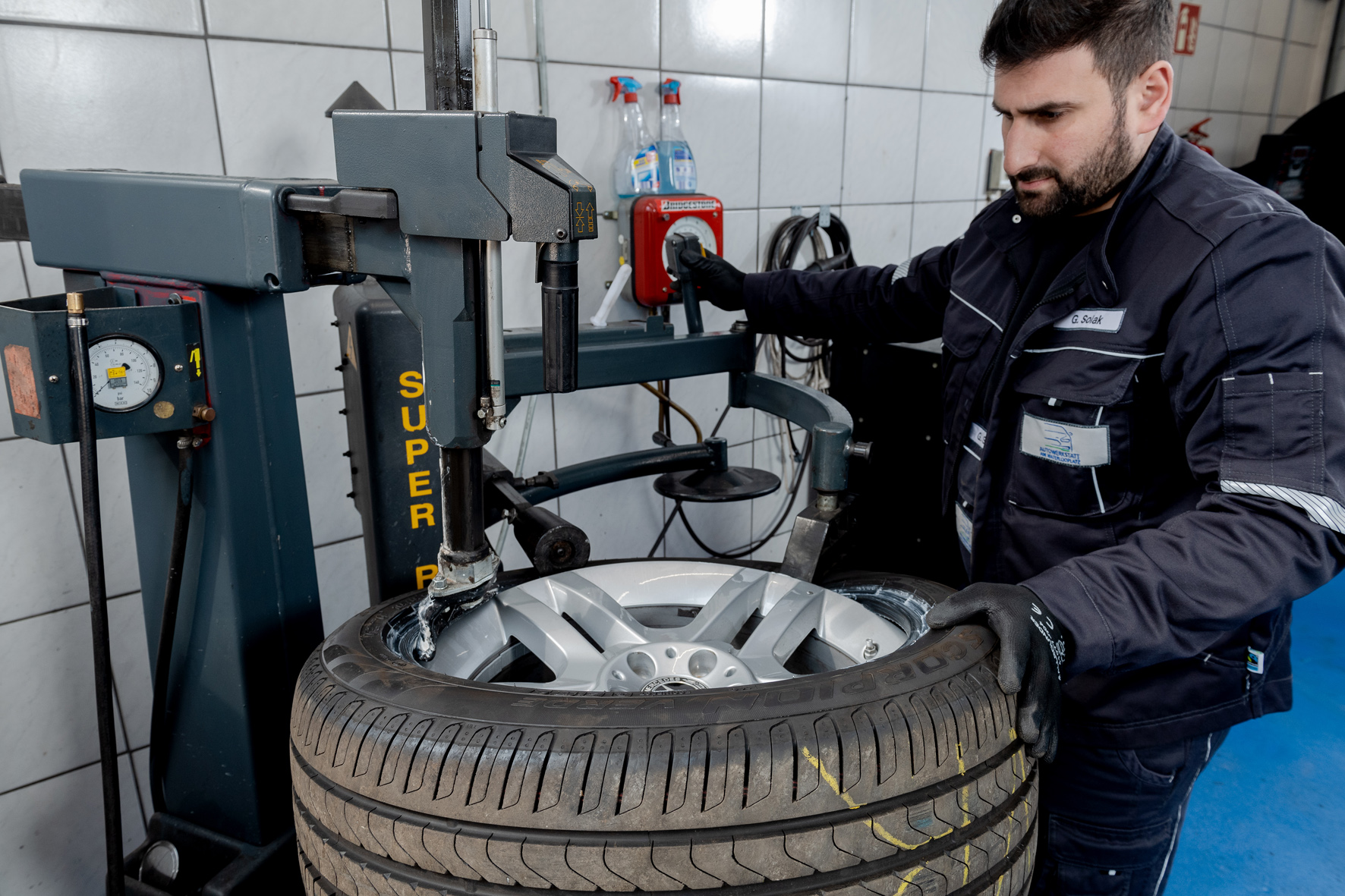
Before you shop, you need your tyre size. You will find it on the sidewall of your current tyres, in your vehicle documents or on a sticker inside the driver’s door or fuel filler flap. A typical size looks like this: 205/55 R16 91H.
- 205 is the tyre width in millimetres.
- 55 is the sidewall height as a percentage of the width.
- R16 means a radial tyre for a 16-inch rim.
- 91 is the load index and H the speed rating.
Online shops let you search by size or by your car’s make and model, which is helpful if you are unsure. For winter tyres, it is permitted to use a lower speed rating than on summer tyres, but you may need a sticker in the car to remind you of the maximum speed.
4. Reading the EU Tyre Label
Every new tyre sold in the EU comes with a label that makes comparison much easier. It rates the tyre on three key measures:
- Fuel efficiency: from A to E. Better rolling resistance saves fuel or electric range.
- Wet grip: from A to E. This affects braking distance on wet roads and is one of the most important safety ratings.
- Noise: shown in decibels and in three classes.
Newer labels also indicate grip on snow and, for some tyres, on ice. If you regularly drive in the mountains, look out for those symbols.
5. Premium, Mid-Range or Budget?
One of the advantages of shopping online is choice. At ReifenDirekt you can compare well-known premium brands with mid-range and budget alternatives side by side, often with independent test results and customer reviews alongside.
Premium tyres usually lead in braking, handling and longevity, and they are a sensible choice if you drive long distances or in harsh conditions. Mid-range brands often offer excellent value, with test results close to the leaders. Budget tyres can work for occasional urban driving, but compare wet and snow ratings carefully. Whatever you choose, fit the same model on all four wheels for balanced handling.
6. Ordering and Fitting Made Simple
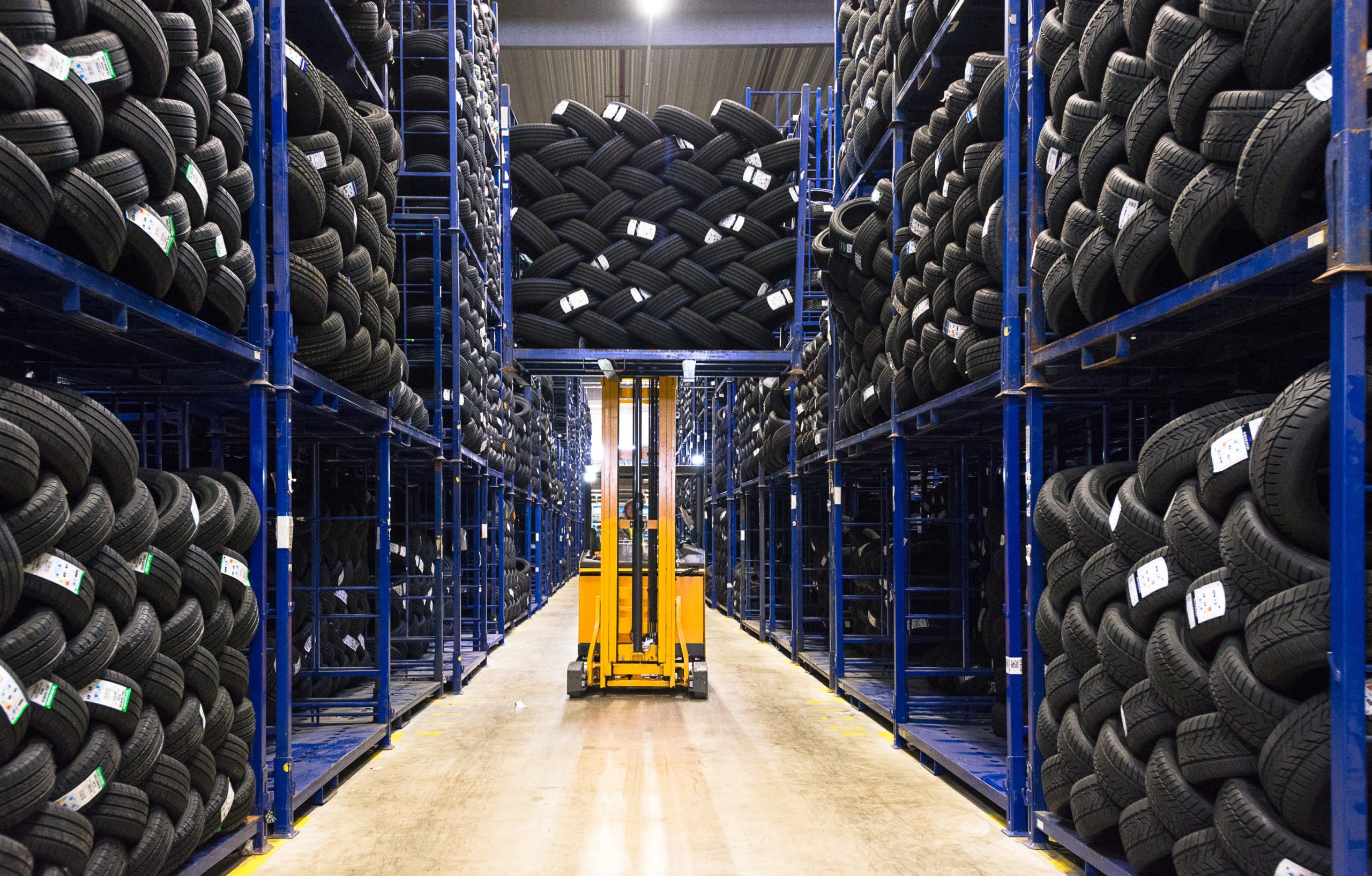
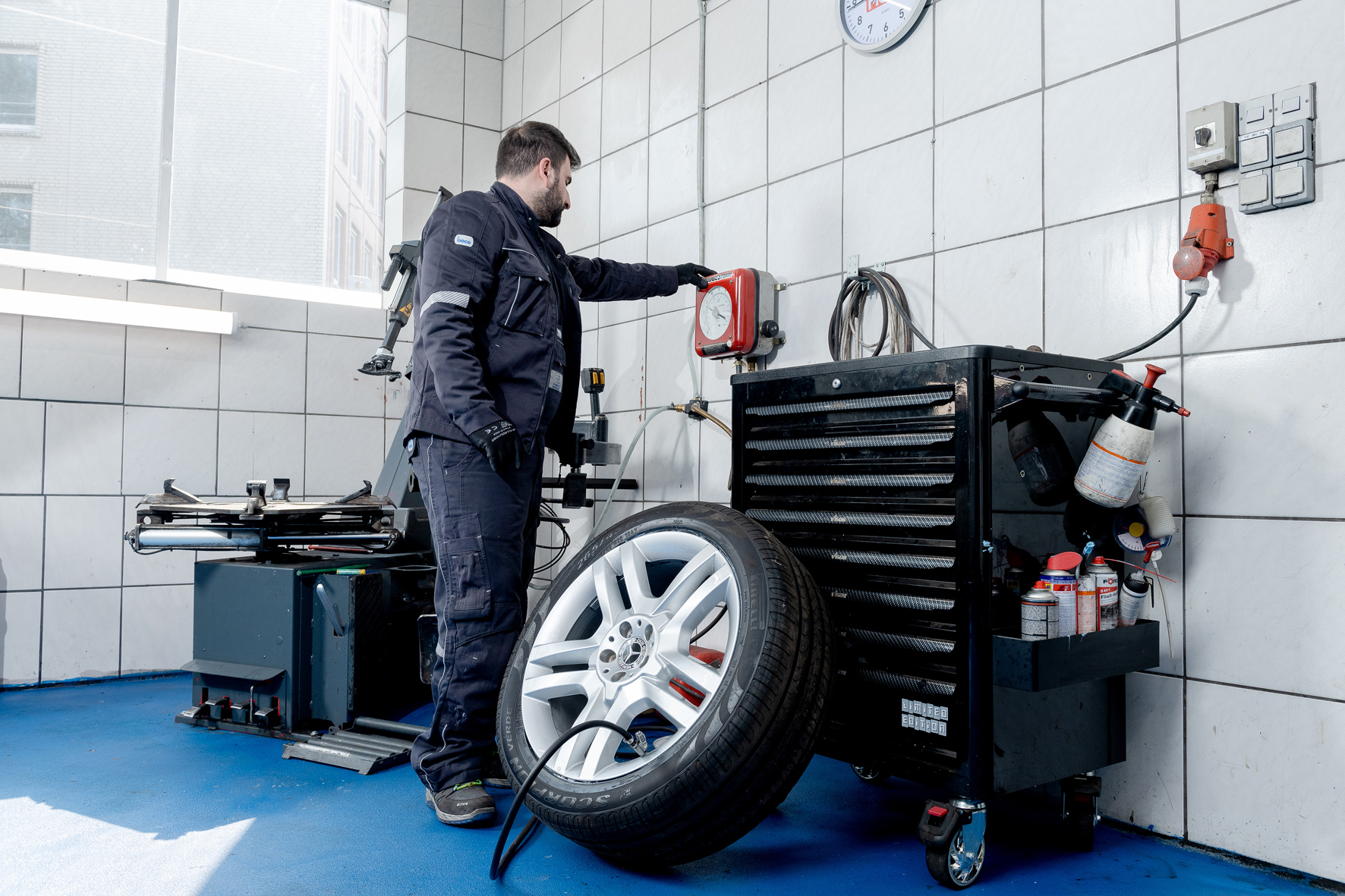
Once you have chosen your tyres, the next question is fitting. ReifenDirekt works with a large network of partner workshops across Austria. You can have your tyres delivered directly to a fitting centre near you, book an appointment and see fitting prices in advance. Alternatively, you can have them sent to your home if you have your own wheels or a trusted mechanic.
- Order early. Popular sizes sell quickly and garages get busy before November.
- Consider complete wheels. Ready-mounted winter wheels make the seasonal swap quicker and cheaper.
- Ask for balancing and a valve check. These are standard parts of a good fitting.
- Check pressures. Tyre pressure drops in cold weather, so check it monthly.
7. Storing Your Summer Tyres
When your winter set goes on, store your summer tyres properly so they last. Clean them, mark their position on the car, and keep them in a cool, dry, dark place. Tyres on rims can be stacked or hung, while tyres without rims are best stored upright and rotated occasionally. Many fitting centres also offer seasonal tyre storage.
Find Winter Tyres at ReifenDirekt
Conclusion
Good winter tyres are an investment in safety for you and everyone else on the road. Knowing the Austrian rules, finding your size, reading the EU label and choosing a trusted brand will help you make the right decision. With a wide range, transparent prices and a nationwide network of fitting partners, ReifenDirekt makes it easy to get your car ready for winter before the first snow falls.
FAQs
When do I need winter tyres in Austria?
Between 1 November and 15 April, cars need winter tyres whenever there are wintry conditions such as snow, slush or ice on the road.
What is the minimum tread depth for winter tyres in Austria?
Radial winter tyres need at least 4 mm of tread to be considered winter tyres.
Can I have tyres delivered to a garage?
Yes. ReifenDirekt can deliver to a partner fitting centre, where you can book an appointment for fitting.
Are all-season tyres an option?
All-season tyres with the correct winter markings are legally accepted, but dedicated winter tyres usually perform better in severe conditions.
How often should I check my tyre pressure in winter?
At least once a month and before long journeys, as cold temperatures reduce pressure.

Theo Louse
I am Theo Louse. My skills are dedicated to the field of technology information and try to make daily lives more enjoyable. With more than 12 years of experience with BM, we are particularly famous for 100% self-developed ideas. Over these years, we have worked to make everyday life more convenient for the fast-paced world we live in.