


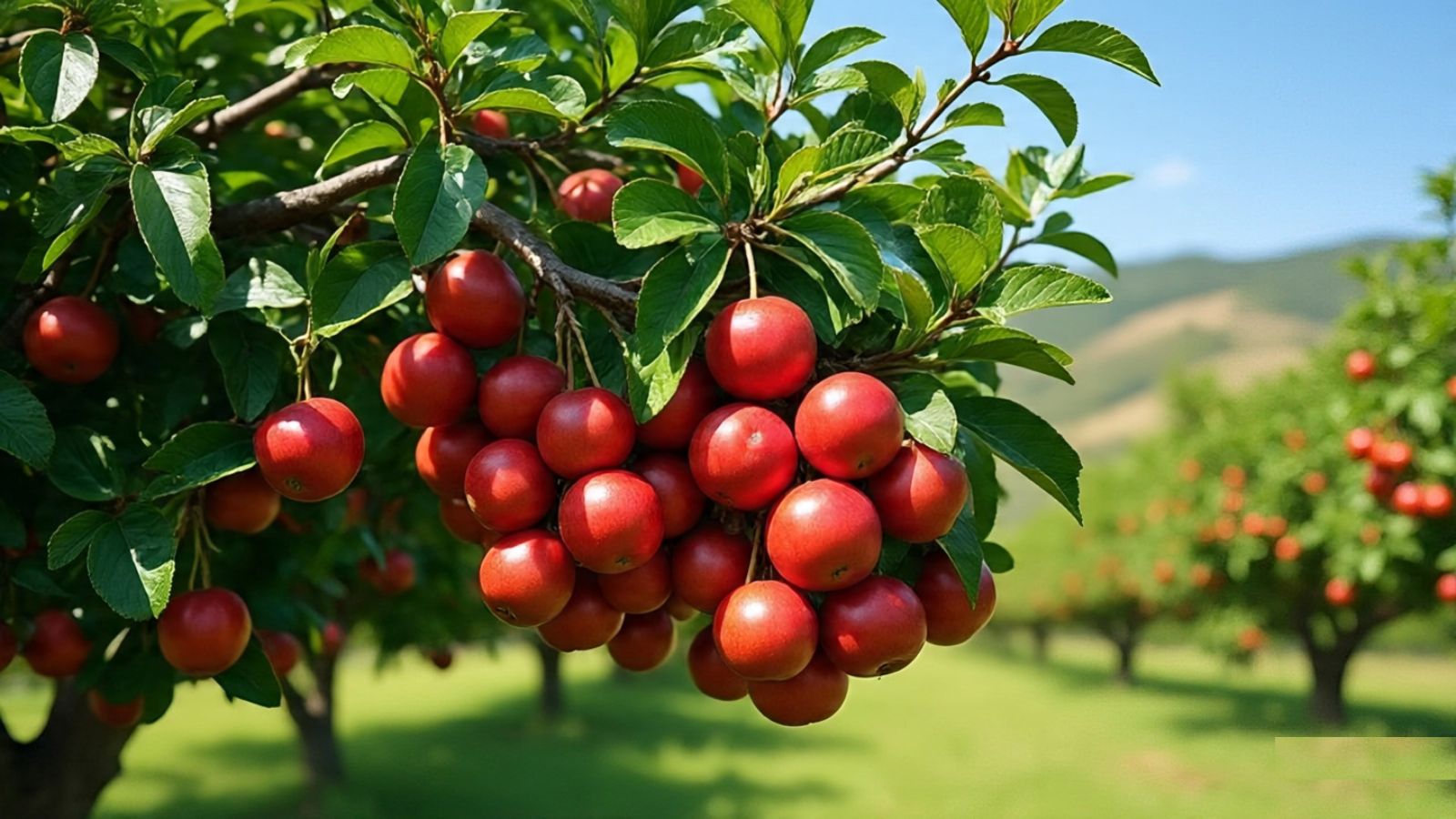
In a world increasingly drawn to exotic superfoods and artificial sweeteners, there exists a fruit that quietly bridges past and present with natural charm and nutritional richness—Žižole. Known scientifically as Ziziphus jujuba and often referred to as jujube or red date, this small, wrinkled fruit has long been cherished across cultures for its sweet taste, medicinal properties, and cultural significance.
Once a household staple in many traditional pantries across the Mediterranean, Middle East, and Asia, Žižole is now experiencing a resurgence among modern food enthusiasts, herbalists, and health-conscious consumers. But what exactly is this humble fruit, and why is it being called a “timeless treat from nature’s pantry”?
Let’s explore the story of Žižole—its origins, uses, health benefits, and place in the modern world.
What Are Žižole?
Žižole, or jujubes, are the fruits of the Ziziphus jujuba tree—a small, deciduous tree in the buckthorn family. The fruits start out as small, apple-like green drupes and ripen to a dark red or purplish-brown with a soft, chewy texture similar to dates.
Although native to China, where they have been cultivated for over 4,000 years, Žižole have traveled westward, becoming popular in the Balkans, the Mediterranean, North Africa, and the Middle East. In many Slavic and Mediterranean countries, Žižole are a seasonal delight, often enjoyed fresh in autumn or dried throughout the year.
Cultural and Historical Roots
Žižole’s history is as rich as its taste. Ancient texts from China, Greece, and Persia describe the fruit as a source of both food and medicine. In Traditional Chinese Medicine (TCM), it is considered a tonifying food—used to boost energy, improve sleep, and nourish the blood.
In the Balkans, the ripening of Žižole marks a seasonal transition. Grandmothers lay them out in the sun to dry, children snack on them fresh from the tree, and markets fill with the fruit in late summer and early fall.
In Italy, particularly in regions like Veneto and Tuscany, Žižole have a place in local cuisine and folk remedies. They’re even used to make liqueurs and preserves.
Flavor Profile and Culinary Uses
Fresh Žižole have a crisp texture and subtly sweet, apple-like flavor. As they ripen and dry, their flavor deepens—becoming more caramelized and date-like, with notes of honey and fig.
Common Culinary Uses:
- Fresh: Enjoyed raw as a snack or sliced into salads.
- Dried: Added to teas, trail mixes, or baked goods.
- Boiled/Stewed: Used in soups or herbal infusions.
- Confectionery: Candied or preserved in honey or sugar syrup.
- Fermented: In some cultures, used to make wines, syrups, or even vinegar.
Their versatility makes Žižole an ideal fruit for creative kitchens—from wellness smoothies to nostalgic family recipes.
Nutritional Benefits of Žižole
Beyond their flavor, Žižole offer an impressive nutritional profile, making them a natural superfood in their own right.
Key Nutrients:
- Vitamin C – Boosts immunity and supports skin health.
- Potassium – Supports heart and muscle function.
- Antioxidants – Especially flavonoids and polysaccharides with anti-inflammatory effects.
- Iron & Phosphorus – Important for energy and bone health.
- Dietary Fiber – Supports digestion and gut health.
Reported Health Benefits:
- Supports immune function
- Aids in better sleep and reduced anxiety
- May help lower blood pressure and cholesterol
- Acts as a mild digestive aid
- Traditional use in blood purification and energy boosting
It’s no surprise that this fruit has been referred to as a “natural elixir” in traditional medicine systems for centuries.
Žižole in Traditional Medicine
In Traditional Chinese Medicine, Žižole is called Da Zao and is often used to balance qi (vital energy), calm the mind, and strengthen the spleen. It appears in many herbal blends, often alongside ingredients like ginger, licorice, and ginseng.
In Ayurveda, it is believed to possess cooling, nourishing, and grounding properties, making it suitable for balancing excess heat or agitation in the body.
Even in European folk medicine, dried Žižole were once used to make infusions for sore throats, fatigue, and coughs.
How to Enjoy Žižole Today
While Žižole may not line supermarket shelves like apples or bananas, you can still find them in:
- Farmers markets (especially in autumn)
- Asian or Mediterranean grocery stores
- Health food stores and online retailers (often dried)
Easy Ways to Include Žižole in Your Diet:
- Brew a soothing tea with dried Žižole and ginger.
- Toss fresh sliced Žižole into a fruit salad or yogurt bowl.
- Add to baked goods like muffins or energy bars.
- Rehydrate dried Žižole and blend into smoothies.
- Use as a natural sweetener in soups or stews.
Growing Žižole at Home
If you’re drawn to the idea of harvesting your own, the Žižole tree is hardy and low-maintenance. It thrives in warm, sunny climates and tolerates poor soil and drought.
Some dwarf varieties are even suited for urban gardens or containers, making them accessible to home gardeners who want a piece of this timeless fruit tree.
FAQs About Žižole
1. Are Žižole the same as dates?
No. While dried Žižole are sometimes called “red dates,” they come from a different plant entirely. True dates grow on palm trees (Phoenix dactylifera), while Žižole grow on jujube trees (Ziziphus jujuba).
2. Can you eat the seeds?
No, the seed (or pit) is hard and inedible. Always remove it before consuming or cooking with Žižole.
3. Are Žižole safe for everyone?
Yes, generally. However, those with allergies or on certain medications should consult a healthcare provider before adding new herbs or fruits to their diet.
4. How do you store dried Žižole?
Store them in an airtight container in a cool, dry place. They can last several months and even longer when refrigerated.
5. Can Žižole be used in skincare or cosmetics?
Yes. Jujube extracts are used in some natural skincare products due to their antioxidant and moisturizing properties.
Conclusion
Žižole is more than just a fruit—it’s a living symbol of nature’s generosity, cultural heritage, and timeless health wisdom. Whether enjoyed fresh off the tree, sipped in an herbal tea, or baked into a sweet treat, Žižole connects us to generations past and inspires a more natural, nourishing way of life.
In a time when people are seeking authentic, sustainable, and healthful food choices, Žižole stands out as a humble yet powerful treasure from nature’s pantry—waiting to be rediscovered.

Theo Louse
I am Theo Louse. My skills are dedicated to the field of technology information and try to make daily lives more enjoyable. With more than 12 years of experience with BM, we are particularly famous for 100% self-developed ideas. Over these years, we have worked to make everyday life more convenient for the fast-paced world we live in.