


Introduction
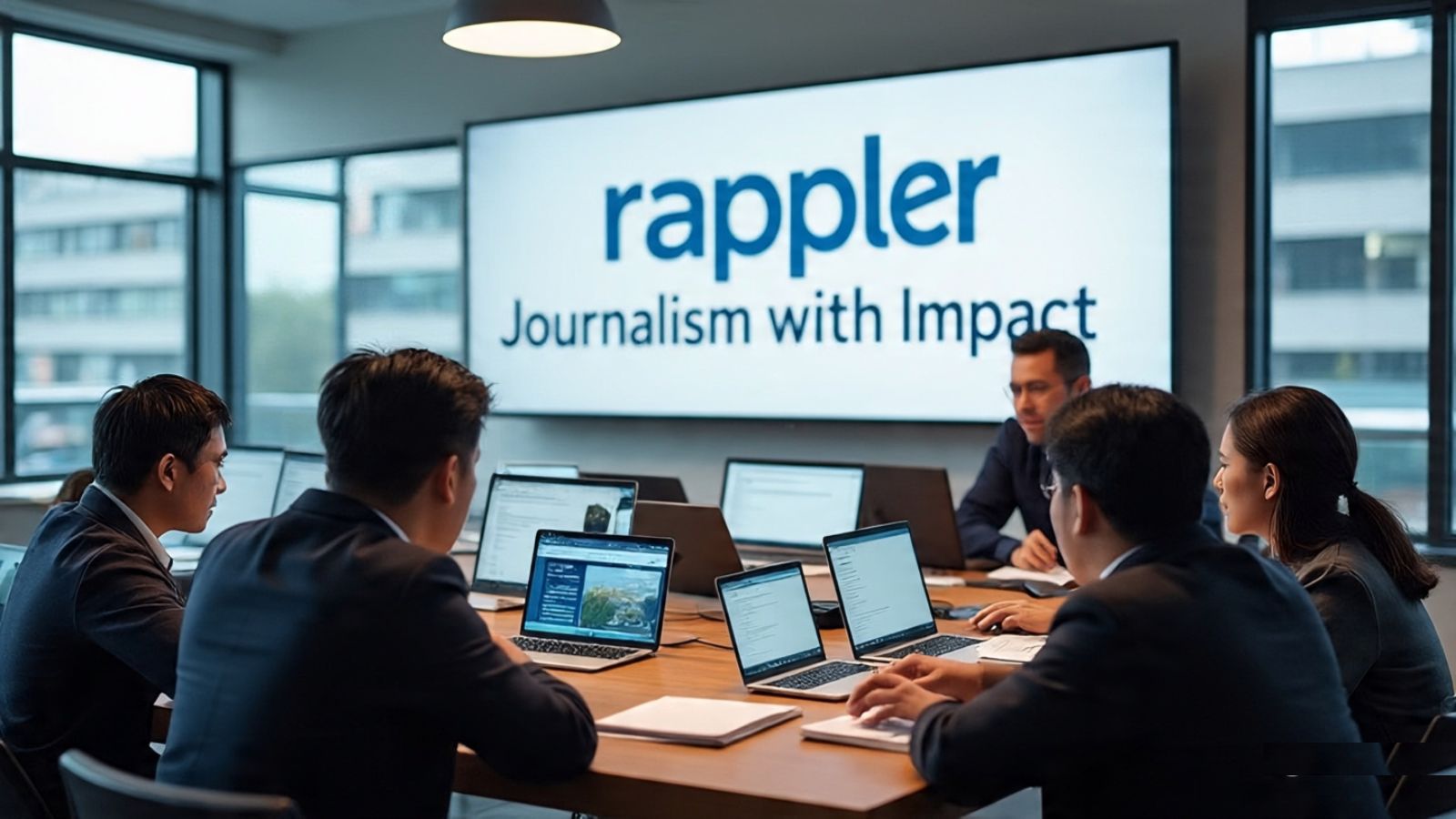
In an age of misinformation and shrinking press freedom, Rappler has emerged as a beacon of independent journalism in the Philippines. Founded in 2012 by Nobel Peace Prize laureate Maria Ressa and a group of experienced journalists and technologists, Rappler has consistently stood at the intersection of media innovation, social advocacy, and fearless reporting.
This article explores Rappler’s origins, mission, evolution, and impact on journalism and society in the Philippines.
The Origins of Rappler: From Facebook to Full-fledged Media
Rappler’s story began in the digital space. What started as a Facebook page called MovePH—a platform for citizen engagement and grassroots storytelling—quickly evolved into a powerful online news outlet. The idea was simple yet revolutionary: use technology and social media to engage Filipinos in “smart conversations” about politics, society, and the future of their country.
Founded officially in January 2012, Rappler was created to blend traditional journalism values with the power of digital tools. At the heart of this movement was Maria Ressa, a seasoned journalist and former CNN bureau chief in Southeast Asia, who envisioned a media platform that wasn’t just about delivering the news—but driving change
Mission and Values: Truth, Courage, and Community
Rappler operates under a mission to hold power to account and give voice to the voiceless. It focuses heavily on issues like:
- Human rights
- Corruption
- Climate change
- Digital disinformation
- Government accountability
The platform describes itself as a “social news network,” which means it not only reports the news but encourages dialogue around it. Through innovative content formats and active engagement with its audience, Rappler promotes transparency, civic responsibility, and democracy.
Investigative Journalism and Bold Reporting
What sets Rappler apart from other news platforms in the Philippines is its commitment to fearless investigative journalism. Over the years, the outlet has published groundbreaking reports on:
- The Duterte administration’s war on drugs
- State-sponsored online propaganda
- Corruption among government officials
- Abuse of power and threats to press freedom
These reports have led to significant public discourse and have even sparked international attention. However, this boldness has come at a cost.
Legal Battles and Harassment
Rappler’s unwavering stand for press freedom has drawn the ire of those in power. The most notable example is the multiple legal cases filed against Maria Ressa and the organization, often criticized as politically motivated. These include:
- Cyber libel cases
- Tax evasion charges
- Alleged violations of foreign ownership laws
Despite these challenges, Rappler has remained resilient. In 2021, Maria Ressa was awarded the Nobel Peace Prize, becoming the first Filipino Nobel laureate. The award was a global recognition of her courage and the vital role of independent journalism in upholding democracy.
The Power of Technology and Innovation
At its core, Rappler is a tech-powered newsroom. It uses data analytics, artificial intelligence, and social media listening tools to combat disinformation and fake news. Their #FactsFirstPH initiative is a collaborative effort to verify information and counter online manipulation, especially during election periods.
Rappler also features innovative formats such as:
- Rappler IQ – backgrounders and explainers for context
- Newsbreak – in-depth investigative journalism
- MovePH – civic engagement and citizen journalism
- #PHVote – election coverage and voter education
Community Engagement and Social Advocacy
Beyond journalism, Rappler actively collaborates with citizens, educators, and civil society groups. It empowers ordinary Filipinos to participate in nation-building through:
- Workshops and forums
- Volunteer networks
- Youth engagement
- Digital literacy campaigns
This community-centric approach turns readers into contributors, encouraging a more participatory form of journalism.
Global Recognition and Influence
Despite facing legal and political threats, Rappler has gained international acclaim for its courage and innovation. Notable awards and honors include:
- 2021 Nobel Peace Prize – awarded to Maria Ressa
- Time Person of the Year (2018) – “The Guardians” for press freedom
- Journalism Excellence Awards – from institutions like the Columbia Journalism School and UNESCO
These accolades reflect not just Rappler’s excellence in reporting but also its role in defending democracy under duress.
Rappler’s Future in a Changing Media Landscape
With the rise of artificial intelligence, deepfakes, and increasingly polarized societies, the role of trustworthy journalism is more important than ever. Rappler is poised to meet these challenges head-on, with plans to:
- Expand fact-checking initiatives
- Enhance reader engagement
- Leverage technology for digital security
- Strengthen partnerships with local and global organizations
While the political and economic environment in the Philippines may continue to test the media’s independence, Rappler’s mission remains clear: truth-telling in the service of the Filipino people.
Frequently Asked Questions (FAQs)
1. Who owns Rappler?
Rappler is primarily owned by Filipino journalists and staff. However, it has faced scrutiny for receiving investment through Philippine Depositary Receipts (PDRs), leading to accusations of foreign ownership, which Rappler has contested.
2. Why was Maria Ressa arrested?
Maria Ressa has faced multiple charges, including cyber libel and tax evasion. These are widely seen as efforts to intimidate and silence her due to Rappler’s critical reporting on the government.
3. What is MovePH?
MovePH is Rappler’s civic engagement arm. It started as a Facebook page and now serves as a platform for empowering youth and communities through storytelling, volunteerism, and advocacy.
4. How does Rappler combat fake news?
Rappler runs extensive fact-checking campaigns like #FactsFirstPH and uses tools to analyze online disinformation networks. It also collaborates with educational institutions to promote digital literacy.
5. Can I contribute to Rappler as a citizen journalist?
Yes, Rappler encourages public contributions, particularly through MovePH. Citizens can submit stories, photos, and participate in campaigns.
Conclusion
Rappler is more than a news outlet—it is a movement. In a nation where journalism is under siege, it continues to push boundaries, speak truth to power, and inspire active citizenship. With its blend of innovation, advocacy, and journalistic excellence, Rappler remains a vital force for democracy in the Philippines and a symbol of courage for journalists worldwide.

Theo Louse
I am Theo Louse. My skills are dedicated to the field of technology information and try to make daily lives more enjoyable. With more than 12 years of experience with BM, we are particularly famous for 100% self-developed ideas. Over these years, we have worked to make everyday life more convenient for the fast-paced world we live in.