


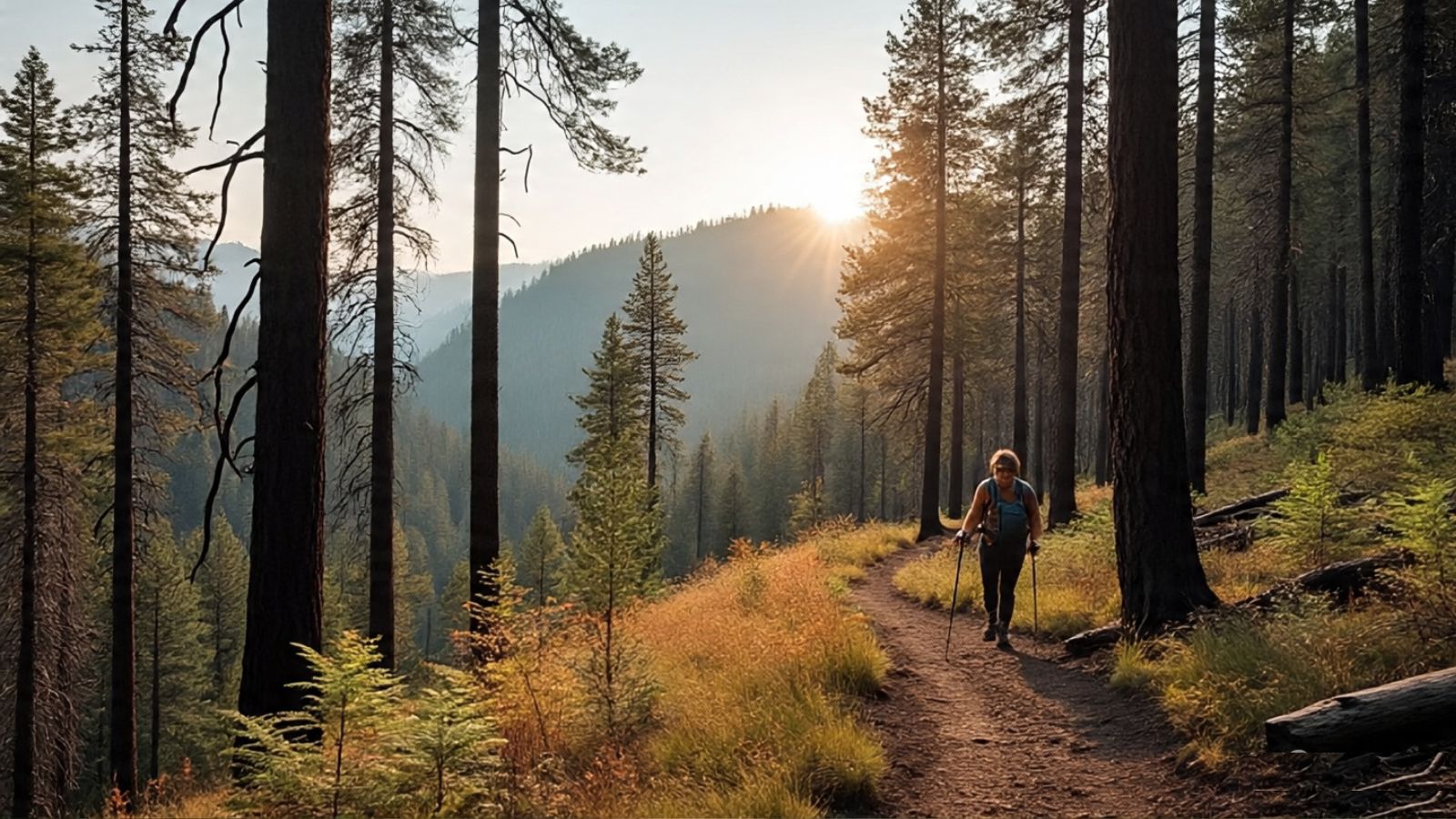
I moved to Portland the year after the devastating 2017 Eagle Creek Fire, when Oregon’s legendary Eagle Creek Trail remained closed and seemingly broken. The wildfire had sparked from a single firework, shutting down the Columbia River Gorge’s most iconic hike for years. When the trail finally reopened in 2021, I knew I had to experience this famous Oregon hiking trail that had captured so many adventurers’ hearts.
“Oh my gosh,” I told my mom as we prepared to drive back from Idaho. “Let’s hike Eagle Creek on the way back.”
That spontaneous decision led to one of the most spectacular – and terrifying – hikes of my life.
Why Eagle Creek Trail Earned Its Legendary Status
The Eagle Creek Trail Oregon isn’t just another pretty hike. This century-old path, carved into cliffsides with dynamite in 1915, offers something truly unique: the chance to walk behind waterfalls while navigating narrow ledges hundreds of feet above a churning creek.
The Trail That Defines Columbia River Gorge Hiking
As we took our first steps along the Eagle Creek hiking trail, waterfalls began materializing everywhere. Small cascades dripped right at the trail’s edge – in some spots, hikers walk directly through them. Rain jackets aren’t just recommended; they’re essential for this aquatic adventure.
The trail follows Eagle Creek through a deep canyon, with waterfalls cascading down cliffs to the creek below. What starts as an innocent creekside stroll gradually transforms into something more dramatic as you find yourself walking along narrow cliff ledges with increasingly precipitous drops.
The Iconic Stops Along Eagle Creek Trail
Punch Bowl Falls: The Popular Turnaround Point
Two miles into the Eagle Creek Trail hike, the iconic Punch Bowl Falls comes into view. Here, creek water funnels through a narrow chute before plunging into a stone pool below. Many hikers choose this as their turnaround point, making it perfect for a shorter Columbia River Gorge day hike.
The side trail down to Punch Bowl Falls offers a closer look at this natural wonder, though post-fire landslides have made access more technical than before.
High Bridge: Where Courage Meets Beauty
At 3.3 miles, the Eagle Creek waterfall trail crosses the canyon at the aptly named High Bridge. Peering over this narrow span reveals dramatic views of the creek churning between moss-covered rock faces hundreds of feet below.
“This was originally our intended turnaround point,” I remember thinking. “But once we got there, we couldn’t turn back.”
Tunnel Falls: The Trail’s Crown Jewel
Six miles in lies the Eagle Creek Trail Tunnel Falls – the experience that makes this hike truly legendary. The trail actually passes through a tunnel carved behind the dramatic waterfall, allowing hikers to see and feel the cascade from multiple angles.
As we peered out through the tunnel behind Tunnel Falls, the trail ahead traced a narrow indent along the high cliff above a drop of hundreds of feet. The spray from yet another waterfall (Twister Falls) beckoned us forward.
“Should we turn around?” we wondered aloud.
Safety Considerations: Is Eagle Creek Trail Dangerous?
This question dominated our minds as we gingerly stepped along narrow trail ledges carved into cliffsides, with sheer drops just inches away. The Eagle Creek Trail safety concerns are real and shouldn’t be dismissed.
Built-in Safety Features
Metal cables bolted into cliff faces provide security along the narrowest sections. These Eagle Creek Trail cables became our lifeline as we navigated the most exposed parts of the hike.
Who Should Avoid This Trail
Based on our experience, I wouldn’t recommend Eagle Creek Trail for families with young children or dogs. We witnessed people taking unnecessary risks – like filming videos while walking narrow ledges – that made us cringe.
Winter hiking here poses additional dangers, as snow and ice can make the already-challenging footing treacherous.
Post-Fire Risks
The Eagle Creek Fire damage created heightened landslide and rockslide risks. Burned vegetation that once held steep hillsides in place is gone, increasing the potential for dangerous slides. Recent trip reports on AllTrails provide the most current safety information.
The Physical Challenge: What to Expect
Despite its intimidating reputation, the Eagle Creek Trail difficulty is surprisingly manageable from a fitness perspective. The trail slopes gradually uphill following the creek upstream, making the return journey entirely downhill.
Trail Obstacles and Stream Crossings
Expect a few challenges beyond the exposed sections:
- Stream crossings on slick logs at water level
- Fallen logs requiring some clambering to cross
- Occasional debris from ongoing fire recovery
At 12 miles round-trip to Tunnel Falls, it’s a substantial day hike, but the gradual grade keeps it accessible for most hikers with reasonable fitness levels.
Eagle Creek Fire Recovery: Nature’s Resilience
The Eagle Creek wildfire burned nearly 50,000 acres, with this trail at the epicenter. While full forest recovery will take decades, nature’s resilience is already evident.
Signs of Renewal
Bigleaf maples, moss, and ferns have quickly started regrowing in the years since the fire. The juxtaposition of burned tree trunks against massive waterfalls creates a striking reminder of both destruction and renewal.
Infrastructure Restoration
Damaged bridges and trail structures have been completely replaced, so the Eagle Creek Trail conditions are excellent for hiking. The trail itself is in better shape now than before the fire.
Planning Your Eagle Creek Adventure
Getting There
The Eagle Creek Trailhead sits just 45 minutes from Portland via the scenic Columbia River Highway. This accessibility makes it one of the most popular Portland area hikes.
Permits and Parking
Parking requires either an America the Beautiful pass, Northwest Forest pass, or day pass purchased at the trailhead. Arrive early, especially on weekends, as this best hike near Portland draws crowds.
Best Time to Visit
Late fall through early spring offers the most dramatic waterfall displays, thanks to seasonal rains. However, avoid winter months when ice makes the exposed sections dangerous.
Why Eagle Creek Remains Oregon’s Most Legendary Trail
Standing in that tunnel behind Tunnel Falls, feeling the waterfall spray while gazing out at the narrow trail carved into the cliff face, I understood why this hike has captured imaginations for over a century.
“Terrifying,” my mom said, summing up the experience perfectly. “And amazing.”
The Eagle Creek Trail Oregon isn’t just about reaching a destination – it’s about experiencing something genuinely unique. Where else can you walk behind waterfalls while navigating century-old cliff-carved passages?
Beyond Tunnel Falls: The Adventure Continues
While we turned back at Twister Falls due to fading November light, the trail continues to Sevenmile Falls for those seeking even more adventure. Each mile reveals new waterfalls and increasingly dramatic canyon views.
The Columbia River Gorge Eagle Creek Trail offers multiple experience levels:
- 2 miles: Punch Bowl Falls (family-friendly option)
- 3.3 miles: High Bridge (moderate challenge)
- 6 miles: Tunnel Falls (the classic experience)
- 7+ miles: Twister and Sevenmile Falls (for the adventurous)
A Trail Worth the Wait
After years of closure following the Eagle Creek Fire, this legendary trail has returned better than ever. The combination of restored infrastructure, recovering ecosystem, and timeless natural beauty makes it essential for any Oregon hiking enthusiast.
Whether you’re seeking Instagram-worthy waterfall shots, an adrenaline-pumping cliff walk, or simply want to experience one of the Pacific Northwest’s most iconic trails, Eagle Creek delivers an unforgettable adventure.

Theo Louse
I am Theo Louse. My skills are dedicated to the field of technology information and try to make daily lives more enjoyable. With more than 12 years of experience with BM, we are particularly famous for 100% self-developed ideas. Over these years, we have worked to make everyday life more convenient for the fast-paced world we live in.