


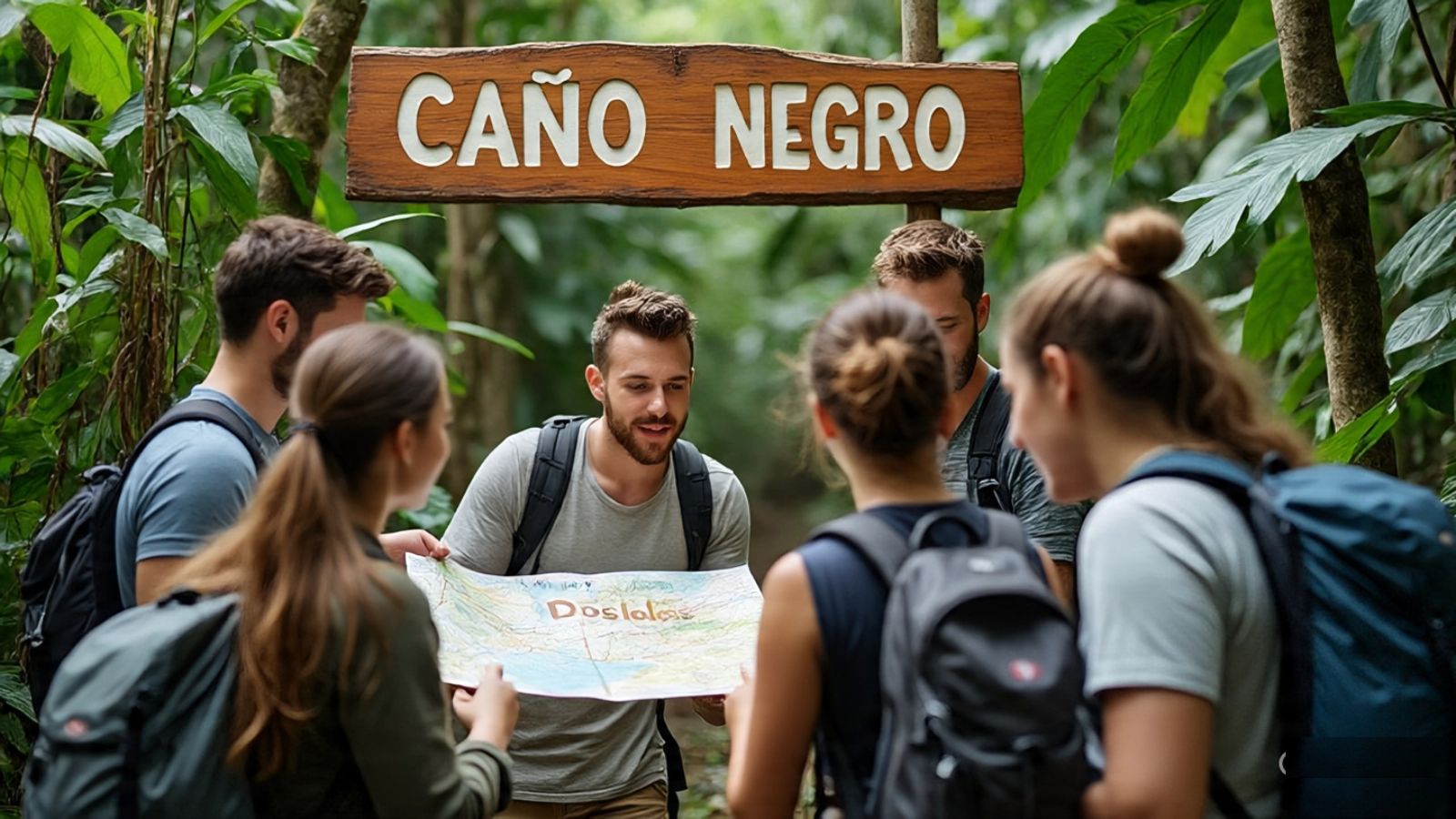
When GPS fails and you have no cell service, finding a wildlife guide in rural Costa Rica becomes an unexpected adventure. Here’s how we discovered Don Lolo and explored the amazing Caño Negro Wildlife Refuge.
The Challenge of Traveling Without Phones in Costa Rica
Modern travelers often take smartphone connectivity for granted, but what happens when you’re exploring remote Costa Rica without reliable cell service? Our honeymoon adventure to find “Dos Lolos” in Caño Negro became a lesson in old-school navigation and the kindness of locals.
This experience taught us valuable lessons about traveling in rural Costa Rica and highlighted why sometimes the best adventures happen when technology fails.
Planning a Caño Negro Wildlife Refuge Visit
Getting Started: The Miscommunication
Our Costa Rican hosts at the farm where we were staying had arranged a wildlife tour to Caño Negro Wildlife Refuge. The instructions seemed simple enough:
“Everyone knows Dos Lolos. Just ask for Dos Lolos when you get close to Caño Negro.”
The guide was expecting us in one hour, but our GPS estimated an hour and fifteen minutes to reach the destination. With no phones to call ahead, we had to trust that everything would work out.
The Reality of Rural Costa Rica Roads
Driving through Costa Rica’s countryside reveals why GPS estimates can be wildly optimistic. The dirt roads, banana farms, and rural terrain make travel times unpredictable. Our speedometer told the real story – we weren’t going to make the estimated arrival time.
The Search for Dos Lolos: A Cultural Mix-Up
First Attempts: Asking Locals
Twenty minutes late and growing concerned, we spotted two middle-aged men chatting beside a parked vehicle. This seemed like our best chance to get directions.
“Excuse me, do you know where Dos Lolos is?” we asked in Spanish.
The blank stares we received weren’t encouraging. These locals had never heard of “Dos Lolos,” and we were beginning to worry our wildlife tour might not happen.
The Breakthrough: A Helpful Shopkeeper
A brightly colored convenience store appeared like an oasis. The green building with its metal roof and cheerful red lettering gave us hope. Inside, a woman behind the counter listened carefully to our request.
After a thoughtful pause, her eyes lit up with understanding:
“Ah! You want Don Lolo. Yes, he’s around the corner. The blue building.”
Meeting Don Lolo: The Real Wildlife Guide
The Cultural Lesson
We discovered that “lolo” means “teenager” in Costa Rican Spanish. We’d been asking locals if they’d seen “dos lolos” – two teenagers! No wonder everyone looked confused. Our guide was actually “Don Lolo,” a respected older gentleman with a proper title.
Don Lolo greeted us with crinkled eyes and a warm smile, despite our being an hour late. His bushy white eyebrows and matching mustache gave him a grandfatherly appearance that immediately put us at ease.
The Value of Local Guides in Costa Rica
Don Lolo proved why local guides are essential for Costa Rica wildlife experiences. His knowledge of Caño Negro’s ecosystem was encyclopedic, and his boat-handling skills were masterful.
Exploring Caño Negro Wildlife Refuge
The Boat Tour Experience
Don Lolo expertly navigated our boat through the brown waters of the Caño Negro swamp. This massive wetland system requires local expertise – attempting to explore without a guide would be both dangerous and unproductive.
Wildlife Spotting in Caño Negro
Our guided tour revealed Costa Rica’s incredible biodiversity:
Birds: Magnificent egrets fishing in shallow waters Reptiles: Iguanas basking on tree branches and caiman (alligator-like creatures) resting motionless along the water’s edge Fish: Massive specimens (according to Bryan, who spotted fish “as big as he is”) Ecosystem: The complex interactions between species in this protected wetland
The Importance of Conservation
Caño Negro Wildlife Refuge represents Costa Rica’s commitment to protecting its natural heritage. These guided tours provide sustainable income for local communities while educating visitors about conservation efforts.
Lessons for Modern Travelers in Costa Rica
Embracing Digital Detox Travel
Our phoneless adventure demonstrated both the challenges and rewards of disconnected travel:
Challenges:
- No ability to call guides when running late
- Relying on GPS without real-time traffic updates
- Communication barriers without translation apps
Rewards:
- Genuine interactions with locals
- Problem-solving skills development
- More immersive cultural experiences
- Reduced travel anxiety from constant connectivity
The Importance of Local Knowledge
Rural Costa Rica operates on relationships and local knowledge rather than digital systems. Understanding this cultural difference helps travelers:
- Appreciate the value of local guides
- Respect community connections
- Navigate language barriers more effectively
- Build authentic travel memories
Tips for Finding Wildlife Guides in Costa Rica
Research Before You Go
Popular Wildlife Destinations:
- Caño Negro Wildlife Refuge
- Manuel Antonio National Park
- Monteverde Cloud Forest
- Tortuguero National Park
Booking Methods:
- Through accommodations (hotels, farms, lodges)
- Local tourism offices
- Established tour companies
- Personal recommendations
Communication Strategies
Spanish Phrases for Wildlife Tours:
- “¿Dónde puedo encontrar un guía?” (Where can I find a guide?)
- “Quiero ver animales” (I want to see animals)
- “¿Hay tours de vida silvestre?” (Are there wildlife tours?)
Cultural Considerations:
- Use proper titles (Don/Doña for respected elders)
- Be patient with scheduling differences
- Respect local customs and timing
- Tip guides appropriately
Planning Your Own Caño Negro Adventure
Best Time to Visit
Dry Season (December-April): Better road conditions, concentrated wildlife Wet Season (May-November): Lush vegetation, active bird migration
What to Bring
- Waterproof camera protection
- Binoculars for wildlife viewing
- Insect repellent
- Sun protection
- Cash for guide tips
Transportation Options
- Rental car (4WD recommended)
- Organized tours from San José
- Local transportation from nearby towns
- Private drivers
The Lasting Impact of Authentic Travel
Our search for “Dos Lolos” became much more than a simple wildlife tour. It demonstrated how travel challenges often lead to the most memorable experiences. Don Lolo’s expertise transformed our understanding of Costa Rica’s ecosystems, while our navigation adventure taught us about rural Costa Rican culture.
Sometimes the best travel stories come from when plans go slightly wrong and force you to connect with local communities in authentic ways.
Supporting Sustainable Tourism
By choosing local guides like Don Lolo, travelers contribute to:
- Community-based tourism
- Wildlife conservation efforts
- Preservation of traditional knowledge
- Sustainable economic development
Our Caño Negro adventure proved that meaningful travel experiences often happen when you put away the phone, embrace uncertainty, and trust in the kindness of locals who know their land better than any GPS ever could.

Theo Louse
I am Theo Louse. My skills are dedicated to the field of technology information and try to make daily lives more enjoyable. With more than 12 years of experience with BM, we are particularly famous for 100% self-developed ideas. Over these years, we have worked to make everyday life more convenient for the fast-paced world we live in.