


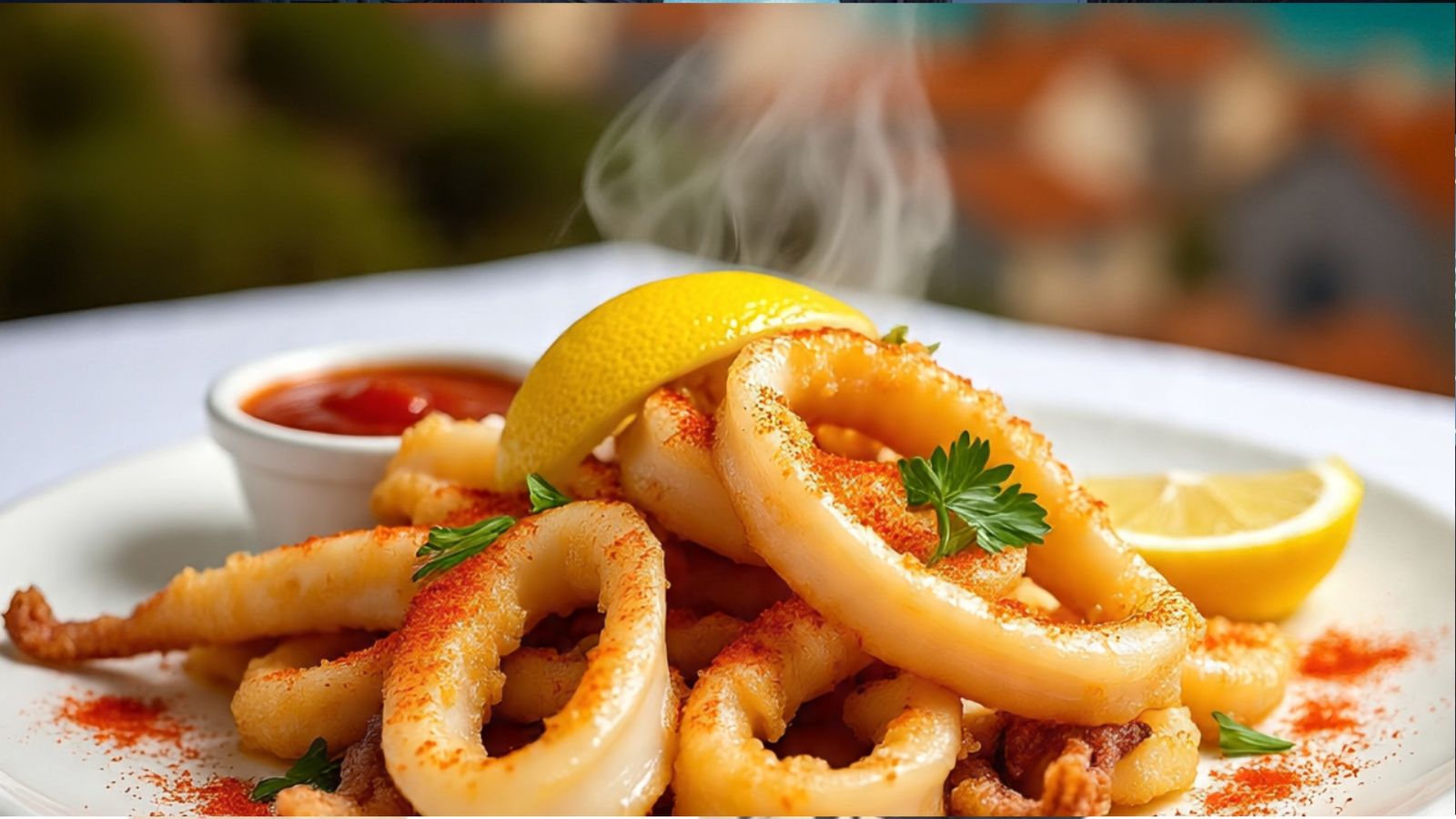
Calamari, the mouthwatering dish made from squid, holds a special place in cuisines across the globe—especially within Italian and Mediterranean culinary traditions. Whether served as golden, crispy rings or infused into pasta and rice dishes, calamari is much more than a seafood appetizer—it’s a versatile, culturally rich, and globally beloved delicacy.
In this article, we explore the history, preparation, variations, and cultural significance of calamari—referred to in some culinary circles as Calamariere, a refined or elevated take on this classic seafood treat.
What Is Calamari?
The word calamari is derived from the Italian calamaro, meaning squid. In culinary use, however, “calamari” often refers not just to the animal itself but to a specific preparation: battered and deep-fried rings made from the squid’s body.
This dish is particularly popular in:
- Italy, where it’s a staple of seaside dining.
- Greece and Spain, where grilled or stewed versions are common.
- The United States, especially as an appetizer in Mediterranean or seafood restaurants.
Calamariere is a term sometimes used in gastronomic contexts to represent a curated, elevated approach to cooking and presenting calamari—think squid ink sauces, calamari-stuffed ravioli, or sous-vide squid with microgreens.
The Origins and Global Journey of Calamari
Squid has been consumed by coastal communities for thousands of years. Ancient Greeks and Romans both considered squid a delicacy, enjoying it grilled or baked with herbs. The idea of deep-frying the meat likely developed later, becoming popular in modern Mediterranean cuisine.
In the 1980s and 1990s, calamari gained significant popularity in the U.S., boosted by food trends that celebrated European flavors. It quickly became a restaurant favorite, especially in the form of crispy fried rings served with marinara sauce, aioli, or lemon wedges.
Anatomy of a Calamari Dish
The squid’s body is tube-shaped and easily sliced into rings, which makes it ideal for frying. Its tentacles are also edible and often included in dishes. Here’s a breakdown of how calamari is typically prepared:
1. Cleaning and Preparation
Squid must be thoroughly cleaned. The ink sac, beak, and cartilage are removed, and the body is rinsed. Chefs may choose between:
- Fresh squid – prized for its tenderness.
- Frozen squid – more commonly used in bulk preparation.
2. Cutting
The tube-shaped body is sliced into 1/2-inch rings, while tentacles are left whole or halved.
3. Battering
Calamari is often dredged in:
- Flour or cornstarch
- Seasoned batter (sometimes including paprika, pepper, or garlic powder)
4. Frying
It is deep-fried quickly at high heat (around 375°F/190°C) for just 1–2 minutes, ensuring the texture remains tender, not rubbery.
5. Serving
Most commonly served with:
- Lemon wedges
- Dipping sauces (aioli, marinara, tzatziki)
- Fresh herbs or a sprinkle of sea salt
Beyond the Fryer: Calamari in Global Cuisines
While fried calamari is a Western favorite, squid takes on many different forms across the globe:
🇮🇹 Italy
- Calamari Ripieni – stuffed squid with breadcrumbs, herbs, and cheese.
- Risotto al Nero di Seppia – squid ink risotto, dark and savory.
🇪🇸 Spain
- Calamares a la Romana – a close cousin of fried calamari, served as tapas.
- Chipirones – baby squid, often grilled or sautéed.
🇬🇷 Greece
- Kalamari Tiganito – fried squid rings served with tzatziki.
- Grilled Calamari – whole squid marinated in lemon and oregano.
🇯🇵 Japan
- Ika Sushi – raw squid served over rice.
- Ika Yaki – grilled whole squid, often served at street stalls.
🇰🇷 Korea
- Ojingeo Bokkeum – spicy stir-fried squid with vegetables.
- Ojingeo Sundae – squid stuffed with noodles and vegetables.
Calamariere: The Fine Art of Squid
In high-end restaurants, Calamariere represents a gourmet interpretation of this otherwise humble ingredient. The focus is on:
- Flavor complexity (using squid ink, citrus zest, saffron, or smoked oils)
- Modern techniques (sous-vide, flash grilling, foam garnishes)
- Elegant plating (pairing calamari with purees, microgreens, or edible flowers)
A calamariere dish might include:
- Squid ink aioli over seared calamari steaks
- Mini squid-stuffed pasta with lemon-butter drizzle
- Calamari crudo with yuzu dressing and shaved fennel
Such presentations celebrate squid’s mild, sweet flavor and tender texture—while offering visual appeal and culinary sophistication.
Nutritional Benefits of Calamari
Squid is not only delicious—it’s also nutritious:
| Nutrient | Value per 100g (Fried Calamari) |
| Protein | ~15g |
| Fat | ~10g (mostly from frying oil) |
| Omega-3 | Present in moderate amounts |
| Calories | ~150-200 |
Key benefits include:
- High in protein
- Low in saturated fat (if grilled or sautéed)
- Source of vitamin B12, copper, and selenium
However, the deep-fried version may be high in calories and cholesterol, so moderation is advised.
Tips for Cooking Calamari at Home
- Cook It Fast or Low and Slow – Squid becomes rubbery if overcooked. Either flash-fry or simmer for a long time to keep it tender.
- Marinate First – Lemon juice or milk can tenderize squid before cooking.
- Use Fresh Oil – Old oil can impart a heavy or burnt taste.
- Experiment With Flavors – Garlic, chili, lemon, herbs, and even Asian-style soy or sesame sauces pair beautifully with squid.
Conclusion: Why the World Loves Calamari
From street food stalls in Seoul to seaside bistros in Sicily, calamari is one of the most versatile and universally adored seafood dishes in the world. Whether deep-fried to crispy perfection or carefully plated as a fine-dining entrée under the name Calamariere, it captures the hearts and palates of food lovers everywhere.
This humble squid has come a long way from the ocean depths to our dining tables. And with each variation—be it rustic or refined—it reminds us that great food can be simple, shared, and sensational.

Theo Louse
I am Theo Louse. My skills are dedicated to the field of technology information and try to make daily lives more enjoyable. With more than 12 years of experience with BM, we are particularly famous for 100% self-developed ideas. Over these years, we have worked to make everyday life more convenient for the fast-paced world we live in.