


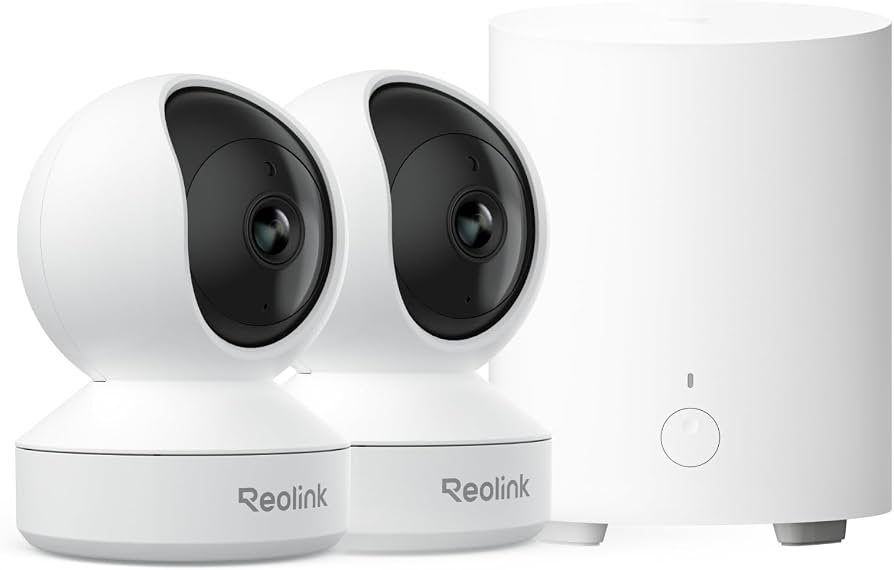
Choosing a home security camera involves more than comparing video resolution and design.
One of the most important decisions is whether to install PoE or WiFi security cameras.
Both technologies can help homeowners monitor entrances, gardens, driveways and other areas, but they differ in how they connect and receive power.
Understanding these differences can help you select a security system that suits your property.
What Are PoE Security Cameras?
PoE stands for Power over Ethernet.
This technology allows compatible security cameras to receive electricity and transmit data through a single Ethernet cable.
The cable connects the camera to compatible networking equipment, such as a PoE switch or network video recorder.
PoE cameras are commonly used in permanent installations where reliable network connectivity is a priority.
What Are WiFi Security Cameras?
WiFi security cameras connect to a wireless network to transmit video and other information.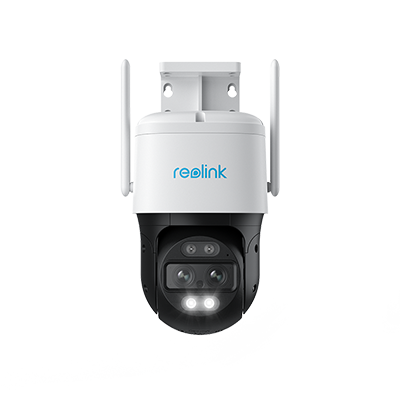
Unlike PoE cameras, they do not require an Ethernet cable for their network connection.
However, wireless connectivity does not always mean wireless power.
Some WiFi cameras require a nearby electrical outlet, while battery powered models can operate without a continuous power connection.
This distinction is important when planning installation.
Compare Installation Requirements
WiFi cameras can be convenient when installing network cables would be difficult.
They may suit apartments, smaller homes or locations where flexible positioning is important.
PoE cameras require Ethernet cabling, which can involve additional installation work.
However, once installed, a single cable can provide both power and network connectivity.
The most practical choice depends on the layout of your property.
Which Connection Is More Reliable?
PoE cameras use wired network connections, which are generally less affected by wireless interference.
This can make them attractive for continuous monitoring.
WiFi cameras depend on wireless signal quality.
Thick walls, long distances and competing wireless devices may influence performance.
A strong and stable WiFi network can still provide reliable operation for many household applications.
Consider Video Quality
Video quality is not determined by the connection type alone.
Both PoE and WiFi cameras are available with high resolution recording.
Factors such as camera sensors, lenses, lighting conditions and video compression influence image clarity.
When comparing cameras, review the actual resolution, viewing angle and nighttime performance.
A wired connection does not automatically guarantee better image quality.
Understand Recording Options
Security cameras may support several recording methods.
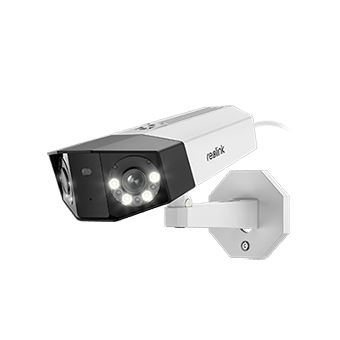
Some save footage to a microSD card installed inside the camera.
Others connect to a network video recorder, commonly called an NVR.
An NVR can provide centralised storage and management for multiple compatible cameras.
Check whether your chosen system supports continuous recording, motion triggered recording or both.
Think About Outdoor Installation
Outdoor cameras must be suitable for changing weather conditions.
Look for an appropriate weather resistance rating and follow installation guidance.
Consider camera positioning, available power and network coverage.
For WiFi models, check the signal strength at the intended location.
For PoE models, plan cable routes and protect connections from moisture.
Explore Security Cameras From Reolink
Reolink Germany offers both PoE and WiFi security cameras for indoor and outdoor use.
Its PoE range includes models such as the RLC 810A, RLC 1212A and Duo series.
Reolink also offers WiFi cameras with features including high resolution recording, night vision, motion detection and remote viewing.
Selected models support person, vehicle and animal detection.
The company also provides compatible NVR systems with local video storage.
This allows customers to compare wired and wireless solutions according to their installation requirements.
Consider Privacy and Security
Connected cameras should be protected with strong passwords and updated software.
Review account security settings and enable additional authentication where available.
Understand how recordings are stored and who can access them.
Position cameras responsibly, respecting neighbours and applicable privacy laws.
Security equipment should help protect a property without unnecessarily recording other people’s private spaces.
Which Camera Type Should You Choose?
PoE cameras may be suitable for permanent installations, larger properties and households prioritising wired connectivity.
WiFi cameras may be preferable when flexible installation and simpler network setup are important.
Before purchasing, compare power requirements, network reliability, recording options and total installation costs.

Final Thoughts
Both PoE and WiFi security cameras offer practical advantages.
PoE provides wired connectivity and power through Ethernet, while WiFi offers greater flexibility in network installation.
Reolink provides both technologies, alongside local storage and compatible recording systems.
The best choice depends on your property, available infrastructure and everyday security requirements.

Theo Louse
I am Theo Louse. My skills are dedicated to the field of technology information and try to make daily lives more enjoyable. With more than 12 years of experience with BM, we are particularly famous for 100% self-developed ideas. Over these years, we have worked to make everyday life more convenient for the fast-paced world we live in.