


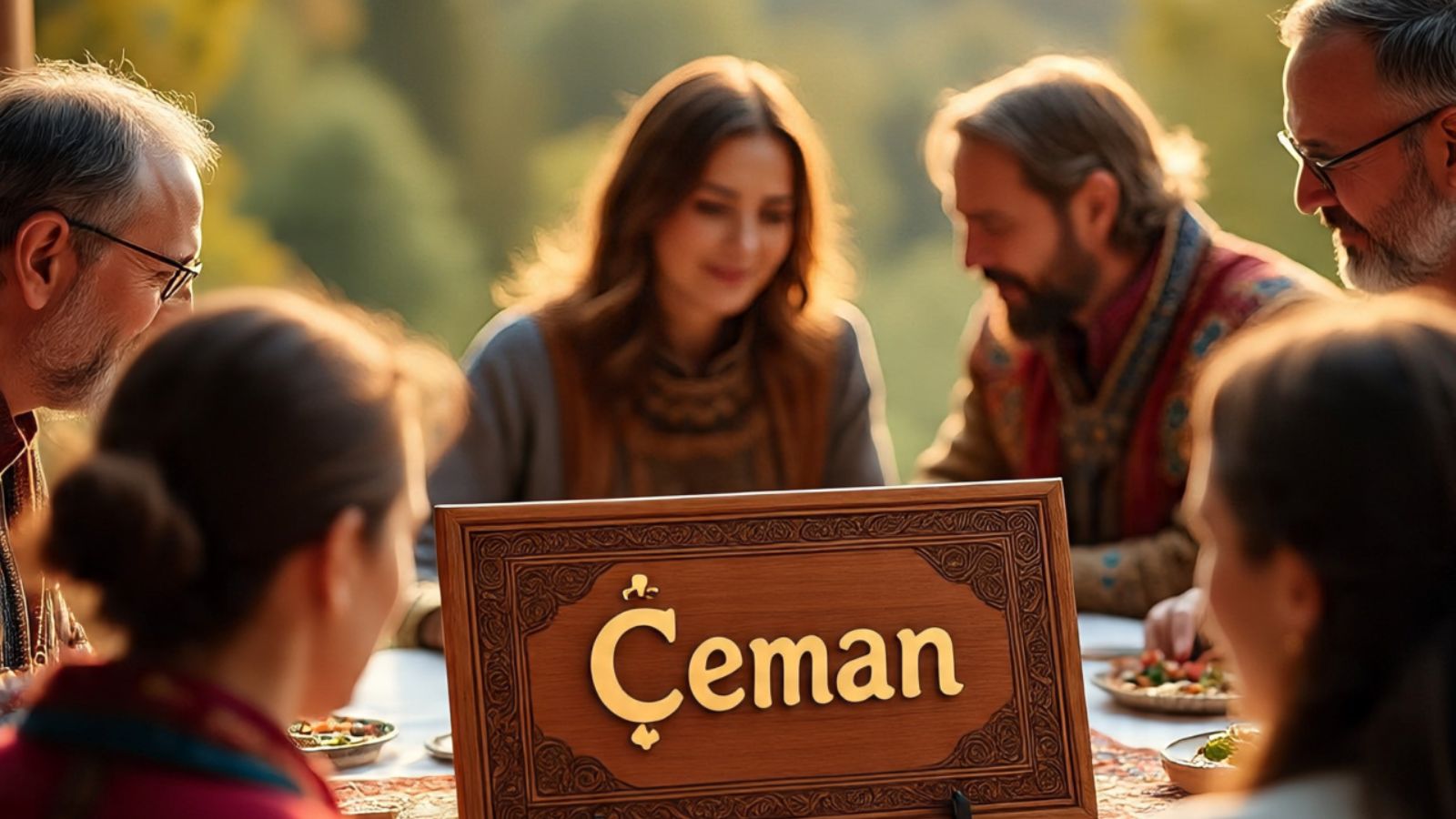
What Does Đeman Mean? A Deep Dive into Balkan Culture
Have you ever wondered about the meaning of “đeman” and why this beautiful Balkan word carries such cultural weight? The term đeman (pronounced “jeh-mahn”) represents far more than a simple compliment—it’s a window into the rich cultural heritage of the Balkans, particularly in Bosnia and Herzegovina, Serbia, and surrounding regions.
In this comprehensive guide, we’ll explore the đeman definition, its origins, cultural significance, and why understanding this word offers valuable insights into Balkan traditions and values.
Đeman Definition and Primary Meaning
Đeman is a Balkan term used to describe someone who embodies grace, kindness, and pleasant behavior. While there’s no direct English translation, the đeman meaning encompasses:
- Graceful personality and refined behavior
- Kindness and politeness in social interactions
- Pleasant demeanor that makes others feel comfortable
- Elegant character and moral refinement
When someone is called “đeman,” it’s considered a high compliment, especially in traditional Balkan communities where character and manners hold significant value.
Etymology and Origins of Đeman
Turkish Influence on Balkan Languages
The đeman origin traces back to Ottoman Turkish influence during the empire’s presence in Southeastern Europe. The word derives from the Turkish term “cemal,” which traditionally meant:
- Beauty and grace (particularly inner beauty)
- Charm and elegance
- Refined character traits
This linguistic borrowing reflects the deep cultural exchange that occurred during the Ottoman period, when many Turkish words became integrated into Bosnian language, Serbian language, and other regional dialects.
Historical Context of the Word
Understanding đeman etymology helps us appreciate how language preserves cultural values across generations. The word’s survival in modern Balkan languages demonstrates the enduring importance of character-based compliments in these societies.
How Đeman is Used in Everyday Speech
Common Usage Examples
In contemporary Balkan conversation, you might hear:
- “Ona je prava đeman” (She is truly graceful/pleasant)
- “Kakav đeman čovek” (What a pleasant/kind person)
- “Đeman devojka” (A graceful/well-mannered girl)
Regional Variations
The đeman pronunciation and usage can vary slightly across different Balkan regions:
- Bosnia and Herzegovina: Most commonly used, often in formal compliments
- Serbia: Frequently heard in traditional settings and folk expressions
- Montenegro: Used in literary contexts and cultural discussions
- Croatia: Less common but still recognized in cultural contexts
Cultural Significance of Đeman in Balkan Society
Traditional Values and Character
In Balkan culture, being called đeman reflects adherence to traditional values:
- Personal dignity and self-respect
- Cultural refinement and education
- Moral behavior and ethical conduct
- Respect for others and social harmony
These qualities were considered forms of “non-material wealth”—richness of character that transcended social status or physical appearance.
Gender Context and Usage
While đeman can describe both men and women, its usage often carries different connotations:
For women: Emphasizes grace, modesty, and refined behavior For men: Highlights courtesy, respectfulness, and considerate nature
Related Terms and Similar Words
Balkan Language Connections
Several related terms in Balkan languages share similar meanings with đeman:
- Merhamet: Compassion and kindness
- Halal: Blessed behavior (colloquial usage)
- Adab: Good manners and moral discipline
- Fina: Refined and delicate (in some contexts)
International Comparisons
While đeman translation into English isn’t direct, similar concepts exist worldwide:
- English: “True lady/gentleman,” “gracious personality”
- Japanese: “Yasashii” (kindness and gentleness)
- Arabic: “Latif” or “Jamal” (beauty and grace)
- French: “Raffiné” (refined, elegant)
Đeman in Literature and Folk Culture
Traditional Poetry and Songs
Đeman in literature often appears in:
- Bosnian folk songs describing ideal beloved figures
- Serbian poetry emphasizing emotional sincerity
- Traditional ballads celebrating character over appearance
- Cultural narratives preserving moral values
Modern Cultural Revival
Contemporary interest in Balkan traditions has sparked renewed appreciation for words like đeman:
- Social media usage as terms of endearment
- Cultural discussions about heritage preservation
- Literature and media incorporating traditional expressions
- Educational content about Balkan linguistic heritage
Why Đeman Matters in Today’s World
Preserving Cultural Identity
Understanding đeman significance helps preserve important cultural nuances that might otherwise be lost. In an increasingly globalized world, words like đeman serve as:
- Cultural bridges connecting past and present
- Identity markers for Balkan communities worldwide
- Educational tools for language learners
- Heritage preservation efforts
Universal Values
The qualities described by đeman—kindness, grace, and respectful behavior—remain universally valued, making this concept relevant beyond its cultural origins.
Learning More About Balkan Culture and Language
Resources for Cultural Understanding
If you’re interested in exploring more about Balkan culture and language:
- Study traditional folk literature and songs
- Connect with Balkan cultural organizations
- Learn about Ottoman influence on regional languages
- Explore comparative linguistics in Southeastern Europe
Language Learning Opportunities
For those wanting to understand Balkan languages better:
- Focus on culturally significant vocabulary
- Study historical linguistic influences
- Practice with native speakers
- Explore regional variations and dialects
Conclusion: The Enduring Beauty of Đeman
Đeman represents much more than a simple compliment—it embodies centuries of cultural wisdom about what makes a person truly admirable. In understanding this beautiful Balkan word, we gain insight into values that transcend geographical boundaries: the importance of character, the beauty of kindness, and the grace found in treating others with respect.
Whether you’re learning about Balkan culture, studying Southeastern European languages, or simply curious about how different cultures express appreciation for human goodness, đeman offers a perfect example of how language preserves and transmits our highest ideals.
The next time you encounter someone who embodies grace, kindness, and genuine pleasantness, you’ll know there’s a beautiful word from the Balkans that captures exactly what makes them special—they are truly đeman.

Theo Louse
I am Theo Louse. My skills are dedicated to the field of technology information and try to make daily lives more enjoyable. With more than 12 years of experience with BM, we are particularly famous for 100% self-developed ideas. Over these years, we have worked to make everyday life more convenient for the fast-paced world we live in.