


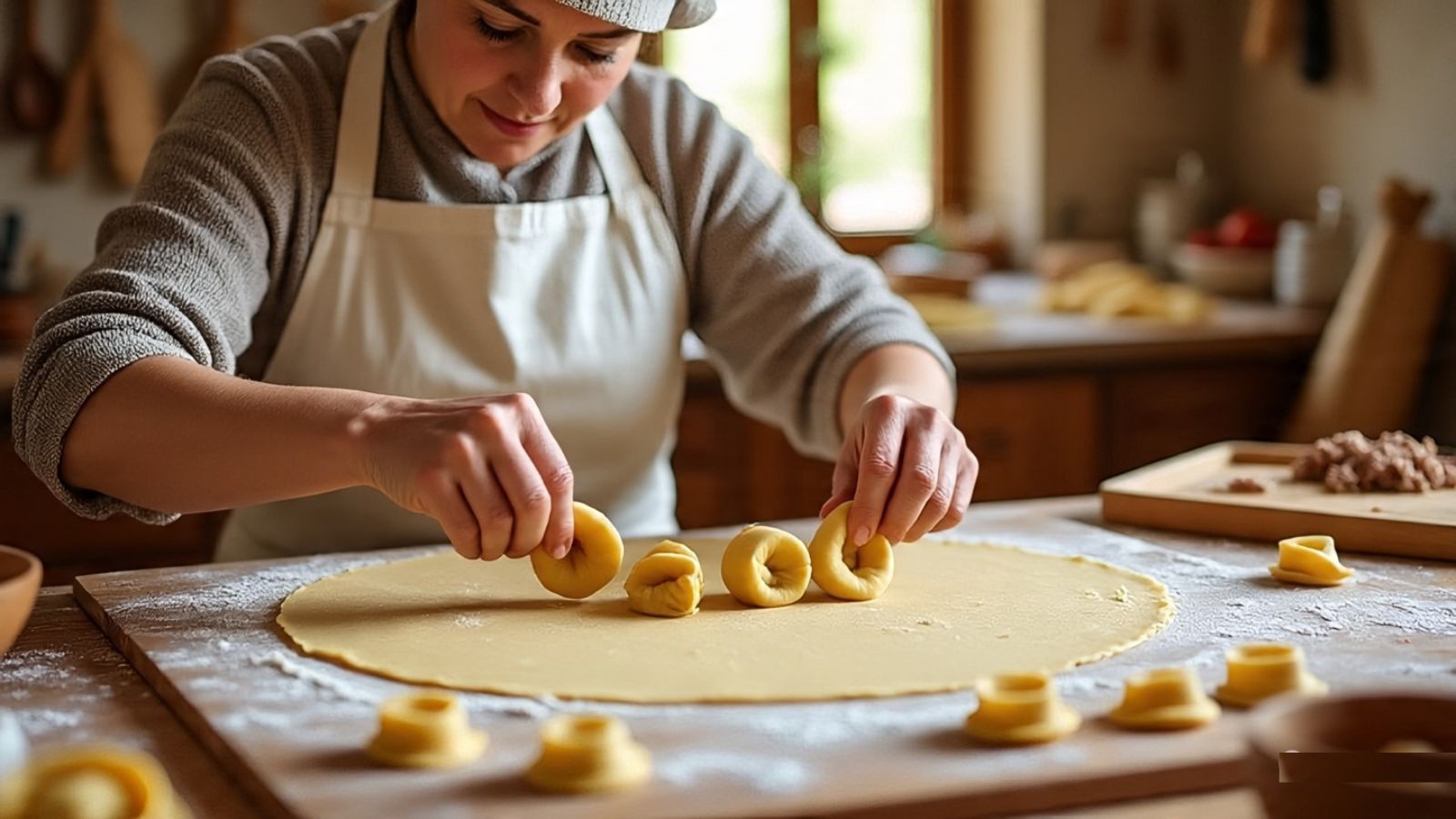
Italy is the home of countless beloved pasta varieties, but among the most iconic is tortellini—a small, ring-shaped stuffed pasta rich in both flavor and tradition. Known for its delicate folds and savory fillings, tortellini is a staple of Italian cuisine and has gained global popularity. At the heart of its creation is the Tortellinatrice, the name both used to describe the pasta itself and sometimes affectionately used for the tools or artisans that shape it.
Rooted in the Emilia-Romagna region of northern Italy, particularly around Bologna and Modena, tortellini is a culinary treasure that combines rich heritage with mouthwatering taste. Whether served in a warm broth or topped with creamy sauces, tortellini delivers comfort and elegance in every bite.
The Origins of Tortellinatrice (Tortellini)
The word tortellini is the diminutive of tortello, which itself is a derivative of torta, meaning “cake” or “pie.” The -ini suffix indicates its small size. The term tortellinatrice, in certain contexts, refers to the artisan or even a pasta-making machine used for shaping tortellini, though it’s not commonly seen in English usage.
Tortellini was born in Emilia, a region famed for its love of handmade pasta and strong culinary identity. Local legends say that tortellini’s ring shape was inspired by the navel of Venus, the Roman goddess of love, which a curious innkeeper in Castelfranco Emilia is said to have glimpsed and immortalized in pasta form.
Whether you believe the myth or not, one thing’s certain—tortellini is a beloved symbol of Italian food culture.
Traditional Fillings
What makes tortellini truly special is what’s inside. While there are regional variations, classic tortellini is filled with a mix of finely ground meats, cheese, and egg. Traditional recipes often include:
- Pork loin
- Prosciutto crudo
- Mortadella (a seasoned Italian sausage from Bologna)
- Parmesan cheese (Parmigiano Reggiano)
- Nutmeg and black pepper
- Eggs
These ingredients are blended into a smooth, flavorful paste and encased in a thin sheet of pasta dough made from flour and eggs. The result? A small bite-sized masterpiece packed with flavor.
Other popular variations include:
- Ricotta cheese and spinach
- Mushroom and truffle
- Pumpkin and amaretti (a regional specialty in Mantua)
How It’s Made: The Art of the Tortellinatrice?
Making tortellini by hand is a skill that takes years to master. Pasta artisans—sometimes lovingly referred to as tortellinatrici in Italy—roll the dough paper-thin, cut it into small squares, add a dollop of filling, and then fold and twist each piece into its signature ring shape.
Modern kitchens and commercial pasta shops often use a tortellinatrice machine, which speeds up the process without sacrificing quality. These machines mimic the traditional folding techniques and are essential in large-scale tortellini production.
But for many in Emilia-Romagna, nothing beats the handmade version crafted at home by nonnas (grandmothers), who’ve passed their knowledge through generations.
Serving Tortellini: Beyond the Basics
Tortellini is remarkably versatile and can be enjoyed in various ways depending on regional customs and personal preference:
1. Tortellini in Brodo
Perhaps the most traditional preparation is tortellini in brodo—served in a clear, rich broth made from beef or capon. This comforting dish is especially popular during Christmas and family gatherings. The broth enhances the flavors of the filling and is considered a perfect winter meal.
2. With Cream or Meat Sauces
Another common serving style is with cream sauces, meat ragù, or tomato-based sauces. These preparations add a hearty richness to the dish and are often accompanied by grated Parmesan.
3. Butter and Sage
A minimalist but flavorful preparation involves butter and sage. The butter is melted and infused with sage, then poured over the hot tortellini. This simple dressing lets the pasta’s filling shine while adding an herby note.
4. Baked Tortellini
In some modern kitchens, tortellini is baked with layers of cheese, béchamel, and sauce—similar to lasagna—for a casserole-style twist.
Tortellini vs. Tortelloni
It’s important to distinguish between tortellini and tortelloni, which are often confused:
- Tortellini: Smaller, typically filled with meat, served in broth or with light sauces.
- Tortelloni: Larger, usually filled with cheese or vegetables, and often served with butter or cream-based sauces.
The size and filling are the primary differentiators, but both types share the same iconic ring shape.
The Cultural Importance of Tortellinatrice
In Emilia-Romagna, tortellini is more than food—it’s part of the region’s cultural and familial identity. Making tortellini is a communal act, often done together during the holidays, especially in the days leading up to Christmas.
Tortellinatrice artisans (pasta makers) are held in high regard. Local associations and culinary schools teach the delicate craft, ensuring that this tradition endures even in the modern age.
The Confraternita del Tortellino (Brotherhood of the Tortellino) in Bologna is a real organization dedicated to preserving the authenticity of tortellini recipes and promoting the heritage of this beloved pasta.
Health and Nutrition
Tortellini, like many Italian dishes, is a balance of flavor and nourishment. While the pasta and fillings are indulgent, the portions are often modest. Paired with broth or light sauces, tortellini can be a satisfying meal without being overly heavy.
Homemade versions can also be tailored to suit different diets—including vegetarian and gluten-free variations.
Conclusion
The Tortellinatrice, whether referring to the pasta itself, the person who makes it, or the machine that shapes it, is a celebration of Italian culinary artistry. With its roots deep in the heart of Emilia, tortellini continues to enchant food lovers around the world.

Theo Louse
I am Theo Louse. My skills are dedicated to the field of technology information and try to make daily lives more enjoyable. With more than 12 years of experience with BM, we are particularly famous for 100% self-developed ideas. Over these years, we have worked to make everyday life more convenient for the fast-paced world we live in.